
About
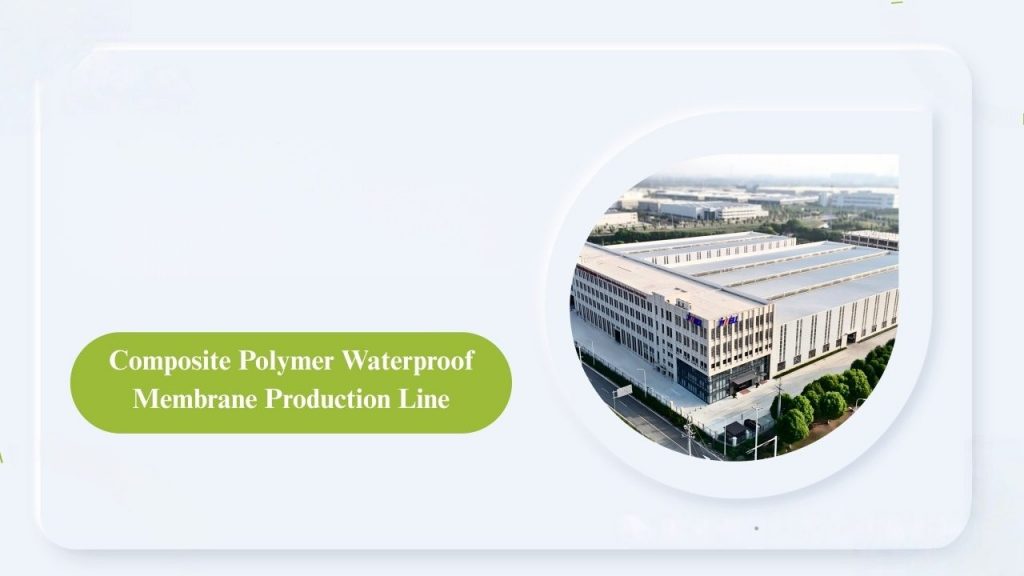
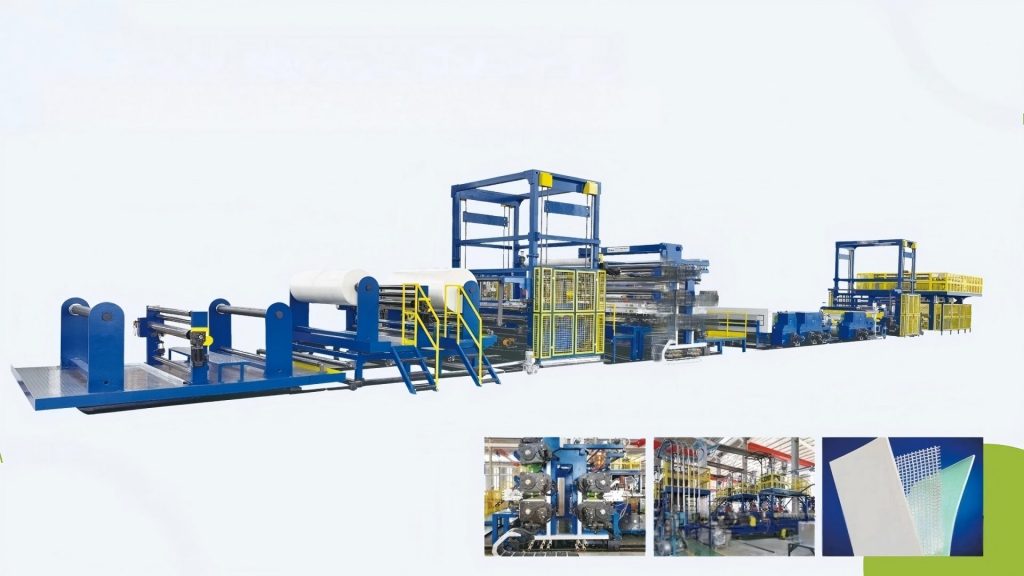
A composite polymer waterproof membrane production line is a fully integrated extrusion system designed to manufacture high-performance waterproofing rolls from materials such as TPO, and PVC. Unlike conventional roofing felts, these polymer-based membranes offer superior tensile strength, UV and aging resistance, and long service life — making them the preferred choice for modern infrastructure projects.
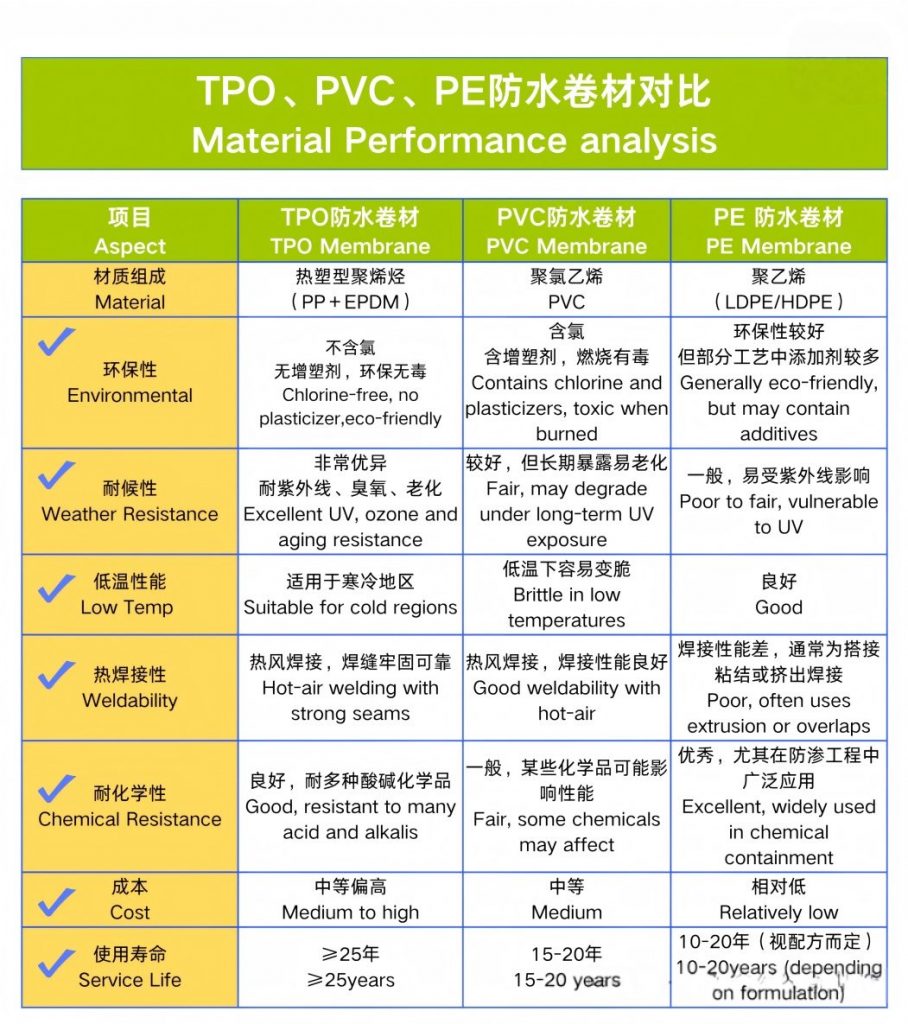
The market is shifting. Driven by stricter building codes, China's "14th Five-Year Plan" for new building materials, accelerating urbanization, and massive old-district renovation programs, the construction industry is demanding waterproofing solutions that last longer, perform better, and leave a smaller environmental footprint. The global polymer waterproof membrane market is projected to grow at a CAGR of 7–9% through 2030, with Asia-Pacific leading demand due to infrastructure expansion and regulatory tailwinds.
The bottleneck has always been the process. As JWELL puts it: the quality of waterproofing engineering starts with the material and is perfected by the process. Traditional production methods suffer from inconsistent mixing ratios, thickness variation, and limited automation — all of which translate into on-site failures and costly callbacks. JWELL's composite polymer waterproof membrane production line directly addresses these pain points with precision engineering and intelligent control.
The line integrates four core subsystems into one seamless, automated workflow:
Through high-precision load-cell sensors and PLC-based intelligent control, the system achieves accurate metering, automatic proportioning, and efficient conveying of multiple raw material streams. Each component — resin, filler, antioxidant, colorant — is fed at a preset ratio and mixed rapidly before entering the extruder. This closed-loop dosing eliminates human error and guarantees batch-to-batch consistency.
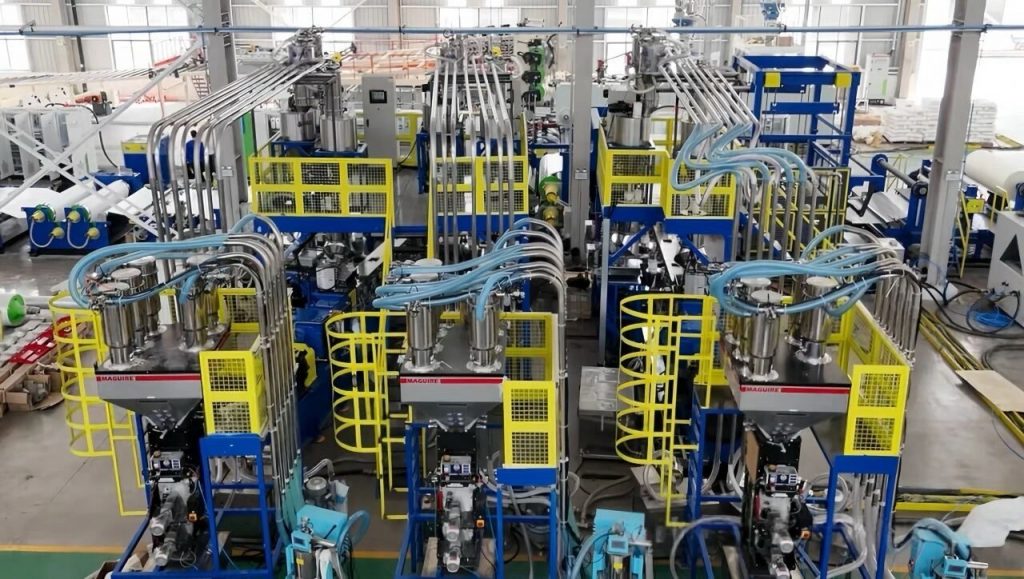
JWELL offers a flexible extruder architecture to match different materials and throughput targets:
| Extruder Type | Best Suited For | Typical Output Range |
|---|---|---|
| Co-rotating parallel twin-screw extruder | Highly filled compounds, reactive blending, TPO formulations | 800–2000 kg/h |
| Counter-rotating parallel twin-screw extruder | PVC formulations | 800–2000 kg/h |
| Conical twin-screw extruder | PVC formulations | 400–800 kg/h |
Barrier screws ensure optimal plasticization, while the coat-hanger flat die with automatic die-lip adjustment delivers uniform melt distribution across the full width. A melt metering pump stabilize output pressure and minimize thickness variation.
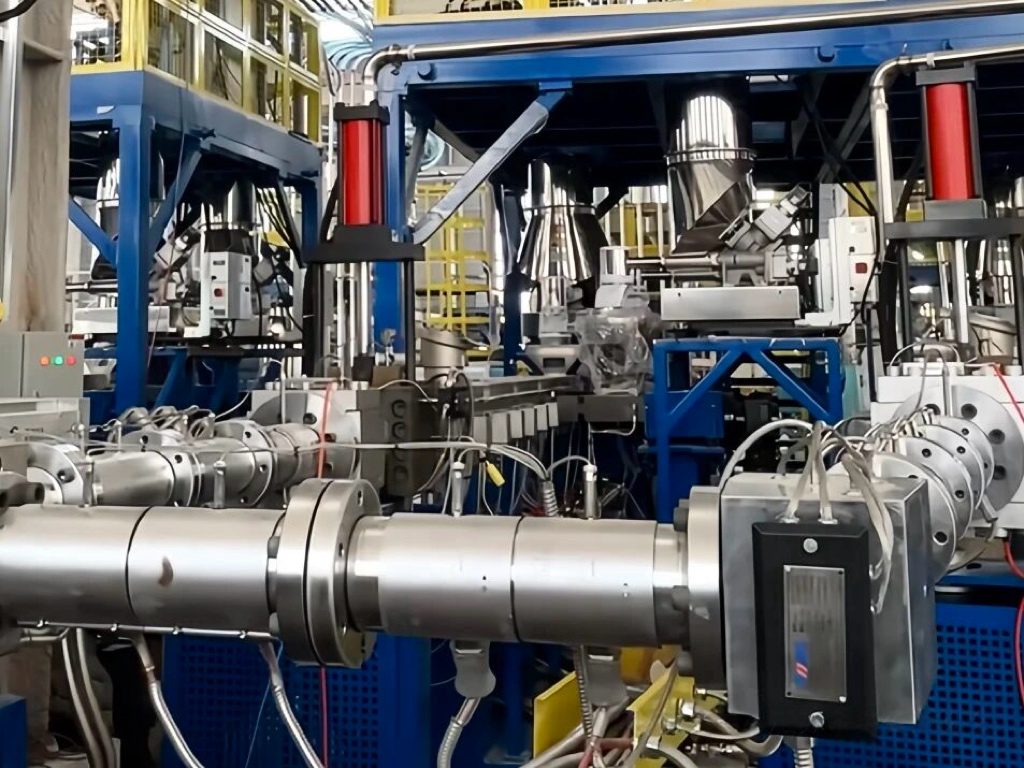
For reinforced (scrim-embedded) waterproof membranes — widely used in roofing and below-grade applications — the line integrates an inline polyester or fiberglass scrim unwinding and embedding station. The hot melt encapsulates the reinforcement grid, creating a monolithic composite structure with exceptional tear resistance and dimensional stability. Embossing rollers can apply surface patterns for improved bonding with adhesives or concrete.
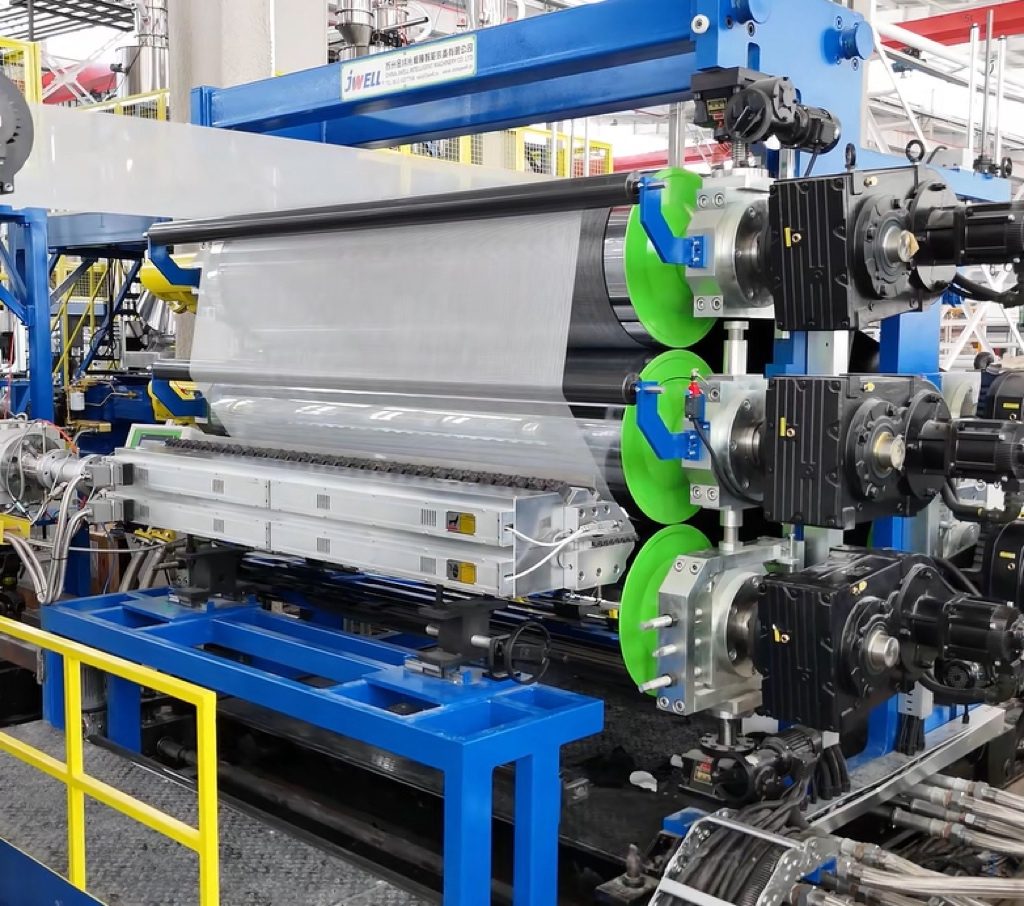
The downstream section can be equipped with a complete robotic automation package:
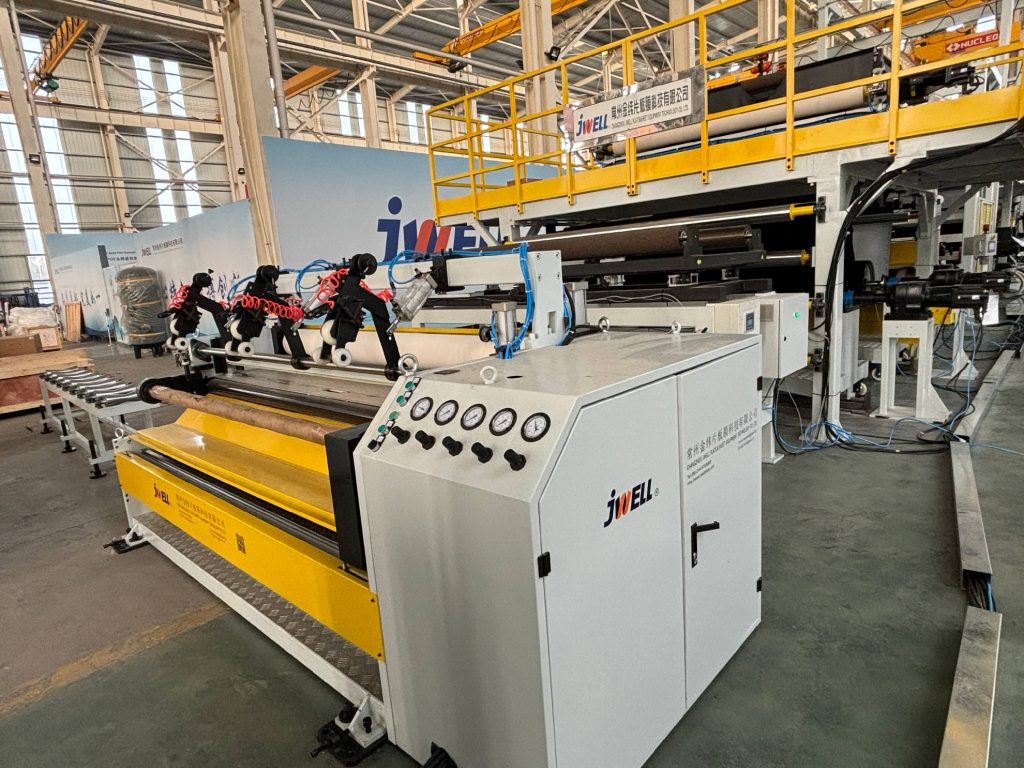
A centralized SCADA control platform (OPC-UA ready) monitors the entire line, logs production data, and supports MES/ERP integration for Industry 4.0 compliance.
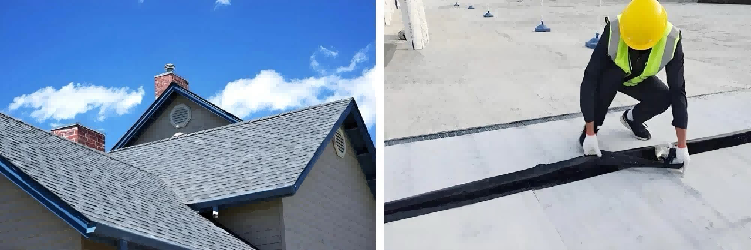
Composite polymer waterproof membranes produced on JWELL lines serve a wide range of infrastructure and building applications:
| Feature | JWELL Composite Line | Conventional Single-Material Lines |
|---|---|---|
| Supported materials | TPO, PVC | Typically one formulation only |
| Dosing precision | ±0.5% (load-cell closed-loop) | Manual or volumetric (±2–3%) |
| Thickness tolerance | ±0.02 mm (auto gauge control) | ±0.05–0.10 mm |
| Automation level | Robot unwrap → auto wind → auto weigh | Semi-automatic or manual |
| Energy efficiency | Ceramic-insulated heating rings, 15% energy saving | Conventional heater bands |
| Industry 4.0 readiness | SCADA + OPC-UA, MES/ERP integration | Limited or none |
Three macro trends are converging to accelerate demand for high-end polymer waterproof membrane production equipment:
Market size: The global polymer waterproof membrane market is estimated at over RMB 9.5 billion (approx. USD 1.3 billion) and growing at 7–9% CAGR. TPO and EVA segments are expanding fastest, driven by green building certifications and cool-roof mandates.
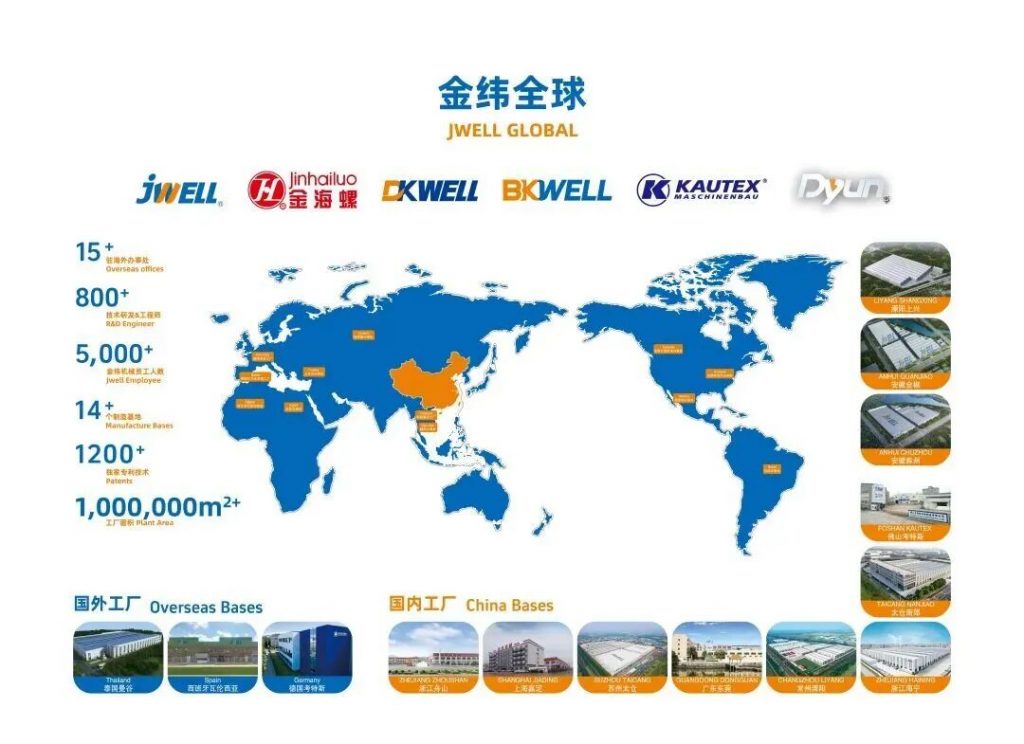
25+ Years of Extrusion Expertise Founded in 1997, JWELL Machinery has shipped over 2,000 extrusion lines annually to more than 120 countries. Our startup success rate exceeds 95% under 24/7 continuous operation.
Self-Manufactured Core Components Unlike integrators who outsource critical parts, JWELL independently designs and manufactures screws, barrels, flat dies, polishing/embossing rollers, and screen changers in-house. This vertical integration ensures quality traceability and eliminates supplier lead-time risks.
German-Quality Performance, Competitive Pricing JWELL extruders deliver performance comparable to top-tier German brands at a significantly more accessible price point. Our high-efficiency single-screw and co-rotating twin-screw extruders are proven in demanding applications worldwide.
Global Service Network With local offices and service centers in Vietnam, Turkey, Thailand, Brazil, and Canada, and a team of over 800 specialized engineers, JWELL provides on-the-ground support wherever your production base is located.
Q1: What materials can JWELL's composite polymer waterproof membrane line process?
The line is compatible with TPO, PVC, and other thermoplastic polymers. Material changeover is streamlined through the modular dosing and screw configuration system.
Q2: Can the line produce reinforced (scrim-embedded) waterproof membranes?
Yes. An inline scrim unwinding and embedding station can be integrated for polyester or fiberglass grid reinforcement, commonly used in roofing and below-grade waterproofing.
Q3: What is the typical production width and thickness range?
Standard configurations cover widths from 1,000 mm to 3,000 mm, with thickness ranging from 0.3 mm (thin membrane) to 3.0 mm (heavy-duty roll). Custom specifications are available upon request.
Q4: How does JWELL ensure thickness uniformity?
A scanning-type automatic thickness gauge provides real-time feedback to the die lip adjustment system. Combined with a melt metering pump, thickness tolerance is maintained within ±0.02 mm.
Q5: What level of automation can be achieved?
From robot raw material unwrapping through to automatic winding, weighing, and labeling — full-line automation is achievable. SCADA control with OPC-UA protocol supports MES/ERP integration for smart factory deployment.
Q6: Is the line suitable for drinking-water-grade applications?
Yes. With appropriate material selection (e.g., food-grade ) and stainless-steel contact surfaces, the line can produce membranes certified for potable water reservoir applications.
Q7: What is the typical delivery lead time and installation support?
Standard delivery is 90–120 days, depending on configuration. JWELL provides on-site installation supervision, commissioning, and operator training by experienced engineers.
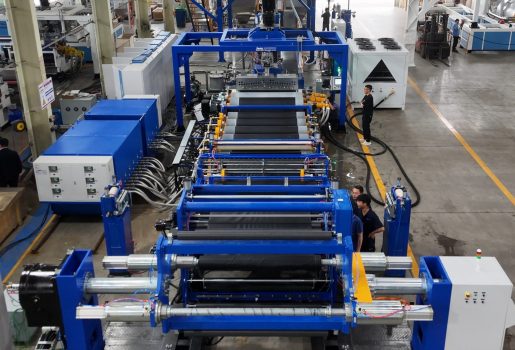
JWELL Machinery’s intelligent TPO sheet production line with multi-component auto-weighing and fully automatic winding delivers high-performance sheets for building waterproofing and automotive interiors.
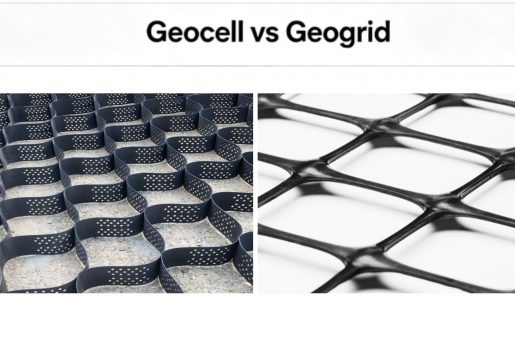
In-depth comparison of geocell and geogrid production equipment, covering manufacturing processes, engineering applications and selection guidance for geosynthetic manufacturers.