
About
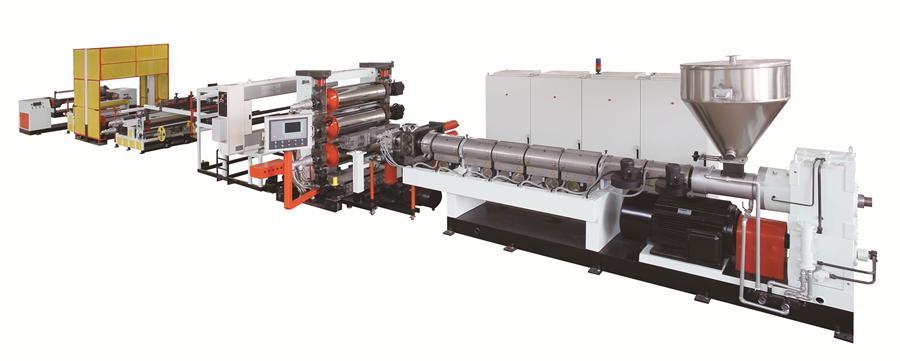
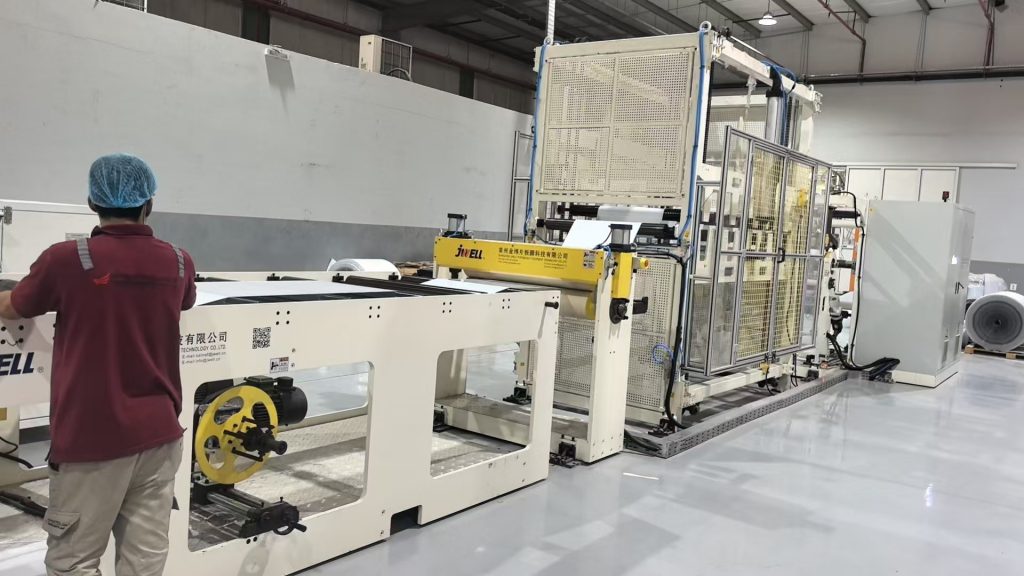
JWELL Machinery’s PP sheet extrusion line delivers high-output, precision-calendered polypropylene sheets with multi-layer coextrusion capability, serving the packaging, thermoforming, stationery, and automotive industries with turnkey manufacturing solutions.
Key Takeaways
JWELL Machinery offers a comprehensive PP (Polypropylene) sheet production line that combines high-torque single-screw extrusion, multi-layer coextrusion capability, precision calendering, and intelligent automation into a single, turnkey manufacturing platform. PP sheets produced on this line are used across food packaging, thermoformed containers, stationery products, automotive interior components, and industrial sheeting.
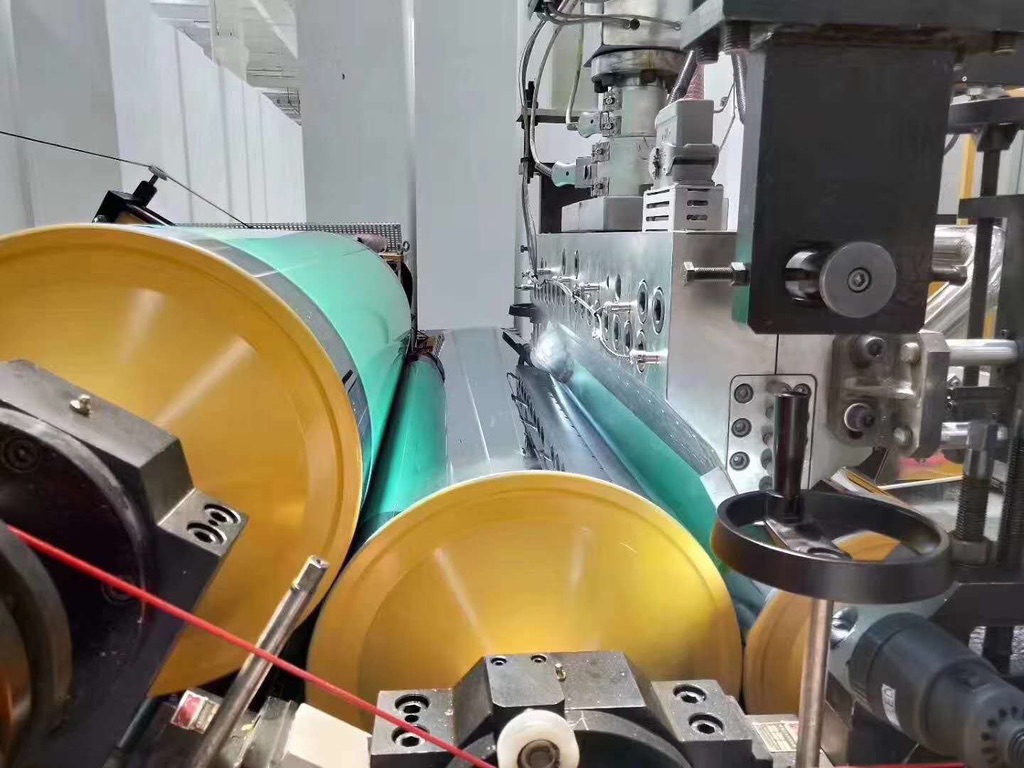
A PP sheet production line is an integrated extrusion system that converts polypropylene resin into flat, continuous sheets used as the base material for thermoforming, die-cutting, printing, and converting operations. PP (polypropylene) has become the fastest-growing rigid packaging sheet material, displacing PS (polystyrene) and competing with PET in multiple application segments.
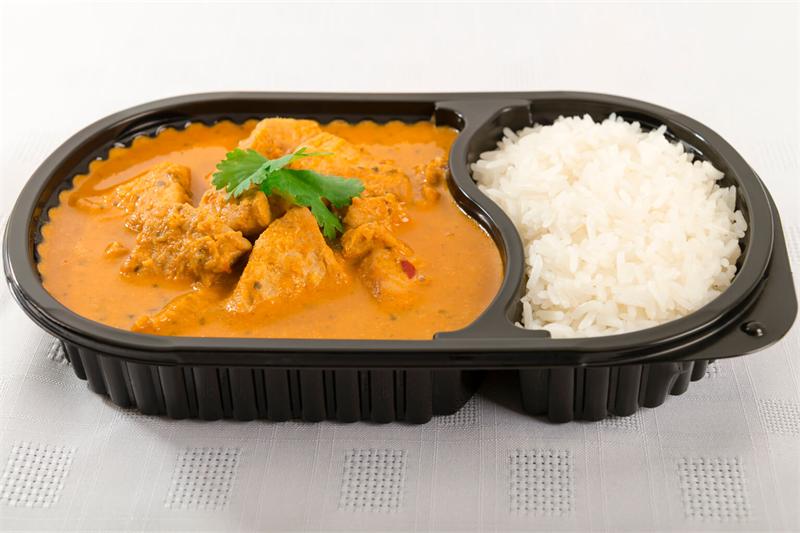
PP’s advantages are structural: at a density of just 0.90 g/cm³, it is 30–40% lighter than PET (1.35 g/cm³) and offers superior impact resistance, higher continuous-use temperature (up to 100 °C), excellent chemical resistance, and full recyclability in established polyolefin waste streams. These properties make PP sheet the preferred substrate for microwaveable food packaging, reusable logistics containers, and cost-sensitive industrial packaging.
“PP sheet is the workhorse of the thermoforming industry. Its combination of low density, heat resistance, and cost position means it will continue gaining share from PS and PVC in food packaging, while multi-layer coextrusion opens new segments like barrier packaging that were traditionally PET-only.”
— JWELL Sheet & Board Division, with over 25 years of extrusion equipment manufacturing experience and installations in 120+ countries
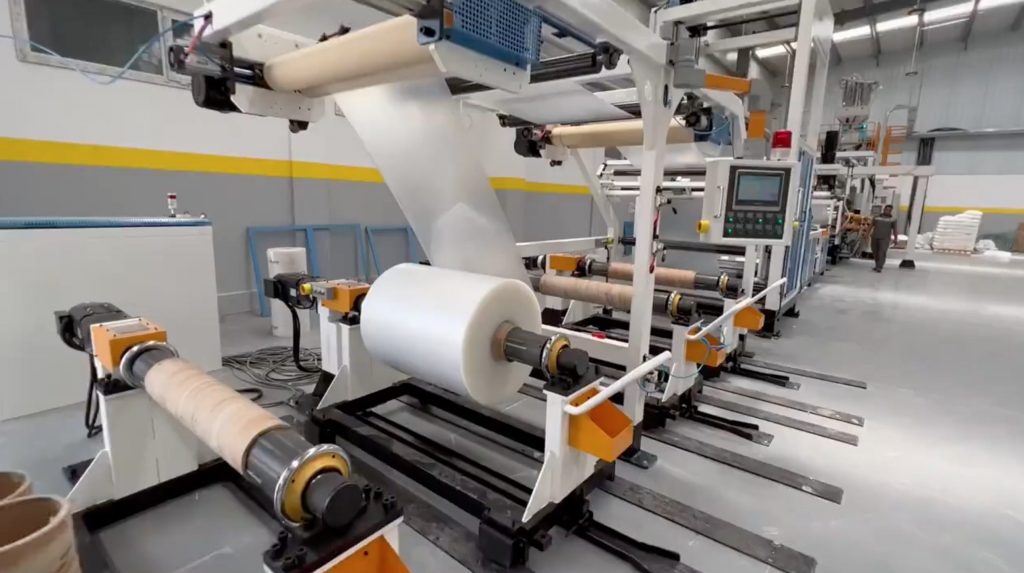
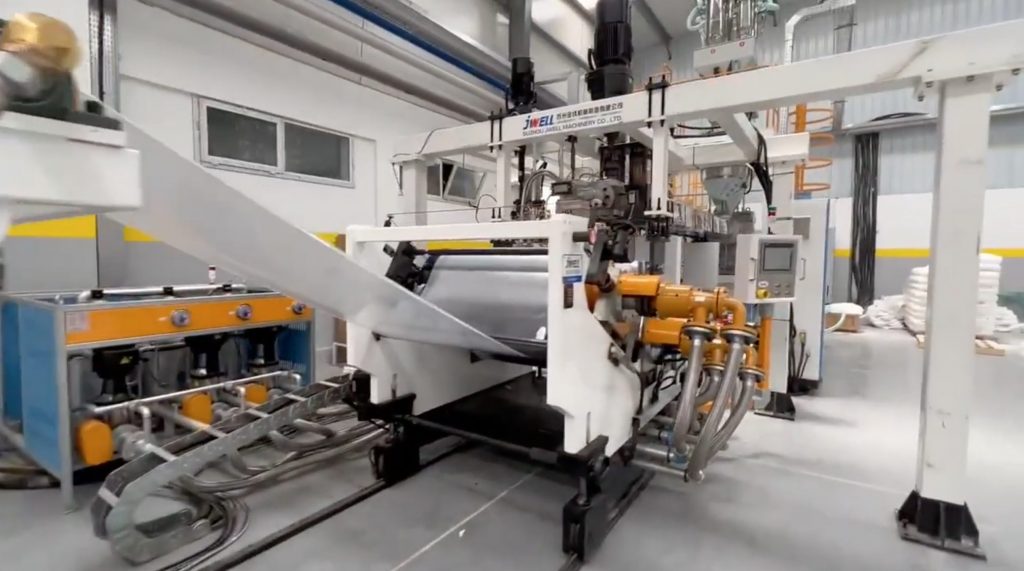
Weight savings versus PET at equivalent gauge, translating directly to lower transport costs, reduced material consumption per unit, and improved sustainability metrics.
| Property | PP Sheet | PS Sheet | PET Sheet |
|---|---|---|---|
| Density (g/cm³) | 0.90 | 1.05 | 1.35 |
| Heat Resistance | Up to 100 °C (microwaveable) | Up to 70 °C (not microwaveable) | Up to 70 °C (not microwaveable) |
| Impact Resistance | Excellent, does not crack | Poor, brittle unless HIPS | Good |
| Moisture Barrier | Excellent (best of the three) | Moderate | Moderate |
| Recyclability | Fully recyclable (code 5), wide infrastructure | Recyclable (code 6), limited infrastructure | Fully recyclable (code 1), wide infrastructure |
| Relative Material Cost | Lowest | Moderate | Higher |
| Thermoforming Window | Narrower (requires precise control) | Wide (easiest to form) | Moderate |
| Clarity | Translucent to opaque (haze) | Crystal clear (GPPS) | Crystal clear (APET) |
| Model | JWS120 | JWS130 | JWS150 | JWS150+JWS90 |
| Products Width (mm) | 800 | 800 | 800 | 800 |
| Products Thickness (mm) | 0.3~2 | 0.3~2 | 0.3~2 | 0.3~2 |
| Capacity( kg/h) | 300~400 | 400~550 | 600~800 | 800~1000 |
The global PP sheet market continues to expand, driven by the packaging industry’s shift toward lighter, recyclable materials and the e-commerce boom’s demand for protective and returnable packaging. In food packaging, PP is gaining share from PS as brands seek microwaveable and hot-fill compatible solutions. In industrial packaging, the push for reusable logistics systems favors PP’s durability and chemical resistance.
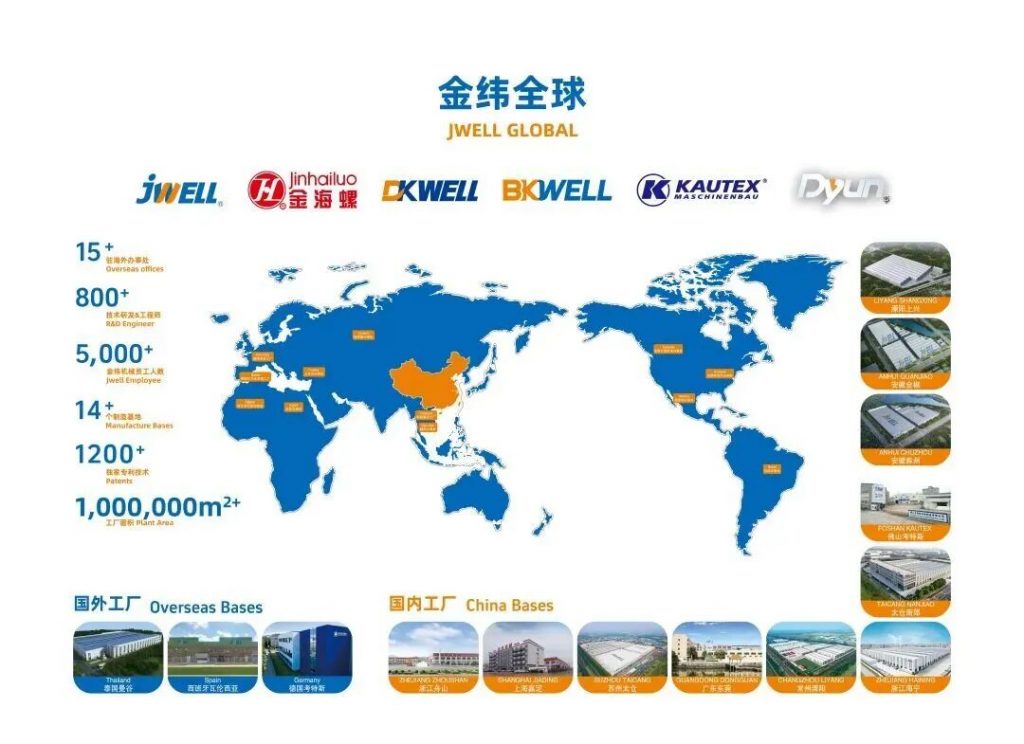
The Asia-Pacific region accounts for the largest share of PP sheet consumption and production capacity, with China, India, and Southeast Asia leading capacity additions. JWELL’s manufacturing base in China positions it strategically to serve this high-growth market with locally manufactured, globally supported extrusion equipment.
What is a PP sheet production line?
A PP sheet production line is an integrated extrusion system that converts polypropylene resin into flat, continuous sheets through melting, die-forming, three-roll calendering, cooling, and winding. JWELL’s lines support single-layer and multi-layer coextrusion, with intelligent control systems ensuring consistent quality for packaging, thermoforming, stationery, and industrial applications.
What are the main applications of PP sheets?
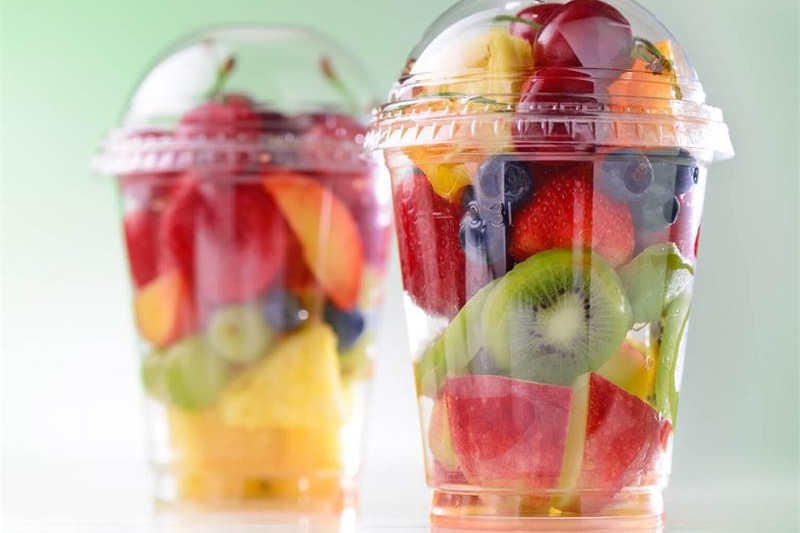
PP sheets are widely used in food packaging (microwaveable trays, cups, lids), thermoformed industrial packaging (reusable logistics trays), stationery (folders, binder covers), automotive interiors, and construction formwork. PP’s lightweight, heat resistance, and recyclability make it the fastest-growing rigid packaging sheet material
What is JWELL’s PP sheet line production capacity?
JWELL configures each line to customer specifications. Typical throughput ranges from 400 to 1,200 kg/h, with working widths from 600 mm to 2,500 mm. Multi-layer lines can incorporate up to 70% calcium carbonate filler or recycled PP content in the core layer. Contact [email protected] for a tailored configuration.
Can JWELL’s PP sheet line produce multi-layer sheets?
Yes. JWELL supports A-B, A-B-A, and A-B-C multi-layer structures through coextrusion, enabling recycled or filled core layers, virgin food-contact surface layers, and functional cap layers (anti-static, high-gloss, colored). This approach reduces material cost while maintaining surface quality and regulatory compliance.
How does PP compare to PS and PET for sheet applications?
PP is 30–40% lighter than PET (0.90 vs 1.35 g/cm³), has higher heat resistance (microwaveable vs non-microwaveable), better moisture barrier, and lower raw material cost. Versus PS, PP offers superior impact resistance (no brittleness), higher continuous-use temperature, and better chemical resistance. The trade-off is lower clarity—PP is translucent, not crystal clear.
How does JWELL ensure PP sheet surface quality?
Surface quality is ensured through mirror-polished die lip and calender roll surfaces, multi-zone temperature control with ±1 °C precision, a melt metering pump for stable output, automatic thickness measurement with closed-loop feedback, and optional inline corona treatment. These systems together minimize gel counts, die lines, and gauge variation.
Is JWELL’s PP sheet line energy-efficient?
Yes. Servo-driven motors, ceramic-insulated barrel heaters, optimized screw geometry, and intelligent temperature zoning reduce specific energy consumption by up to 25% compared to conventional designs. Heat recovery from the cooling section further improves overall efficiency.
What thickness range can JWELL’s PP sheet line produce?
The line covers a thickness range from 0.2 mm (thin-gauge thermoforming sheet) to 3.0 mm (heavy-gauge industrial sheet), with gauge uniformity within ±0.01 mm thanks to the automatic die lip adjustment and closed-loop thickness control system. Working width ranges from 600 mm to 2,500 mm per customer requirements.
Contact JWELL Machinery’s Sheet & Board Division for a customized line configuration and quotation tailored to your product specifications, target output, and factory layout. Contact Us Now!
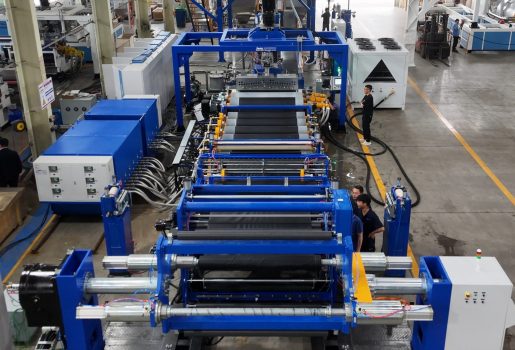
JWELL Machinery’s intelligent TPO sheet production line with multi-component auto-weighing and fully automatic winding delivers high-performance sheets for building waterproofing and automotive interiors.
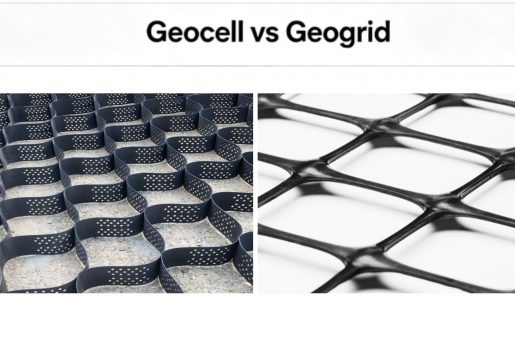
In-depth comparison of geocell and geogrid production equipment, covering manufacturing processes, engineering applications and selection guidance for geosynthetic manufacturers.