
About
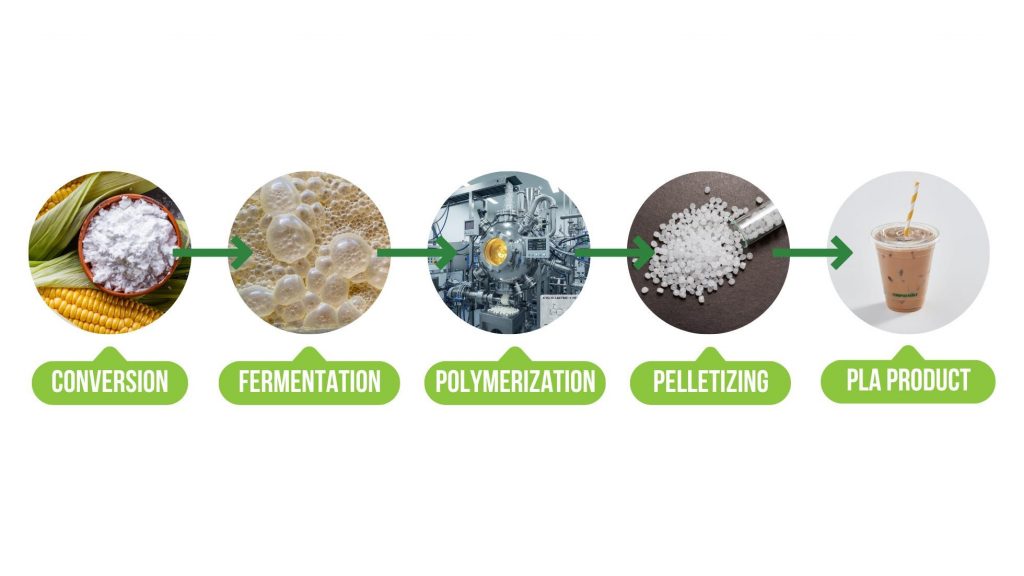
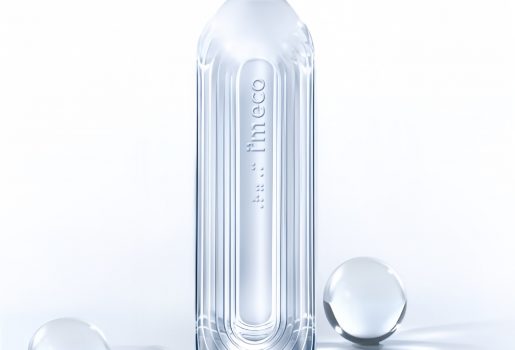
PLA monomaterial packaging is attracting increasing attention as beverage and food packaging manufacturers look for alternatives to conventional multi-material structures.
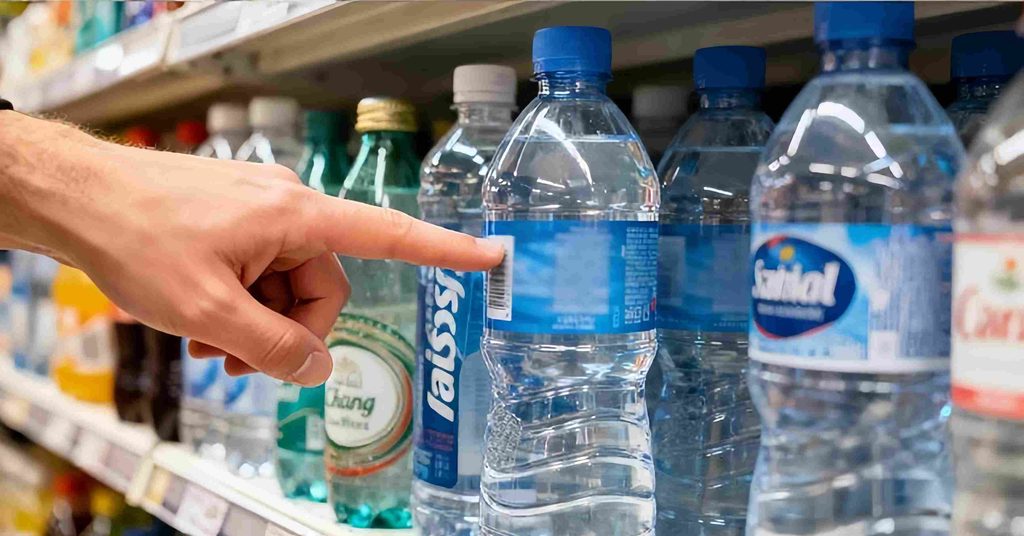
A typical bottled-water package may combine a PET bottle, PP cap and PVC or PET-G shrink label. Each material provides useful properties for a specific component, but the combination also creates challenges during sorting, recycling and material recovery.
PLA, or polylactic acid, offers another approach: using the same polymer family across the bottle, cap and label, with different grades and formulations optimized for each application.
This concept is often described as PLA monomaterial packaging, PLA homogeneous packaging, or single-material PLA packaging.
The objective is not simply to replace one plastic with another. The larger opportunity is to design the packaging system around a common material platform from the beginning, making sorting, recycling or certified industrial composting easier to manage.
For packaging manufacturers, this also creates new requirements for PLA processing technology, extrusion equipment, thermoforming, injection molding, bottle production and film production.
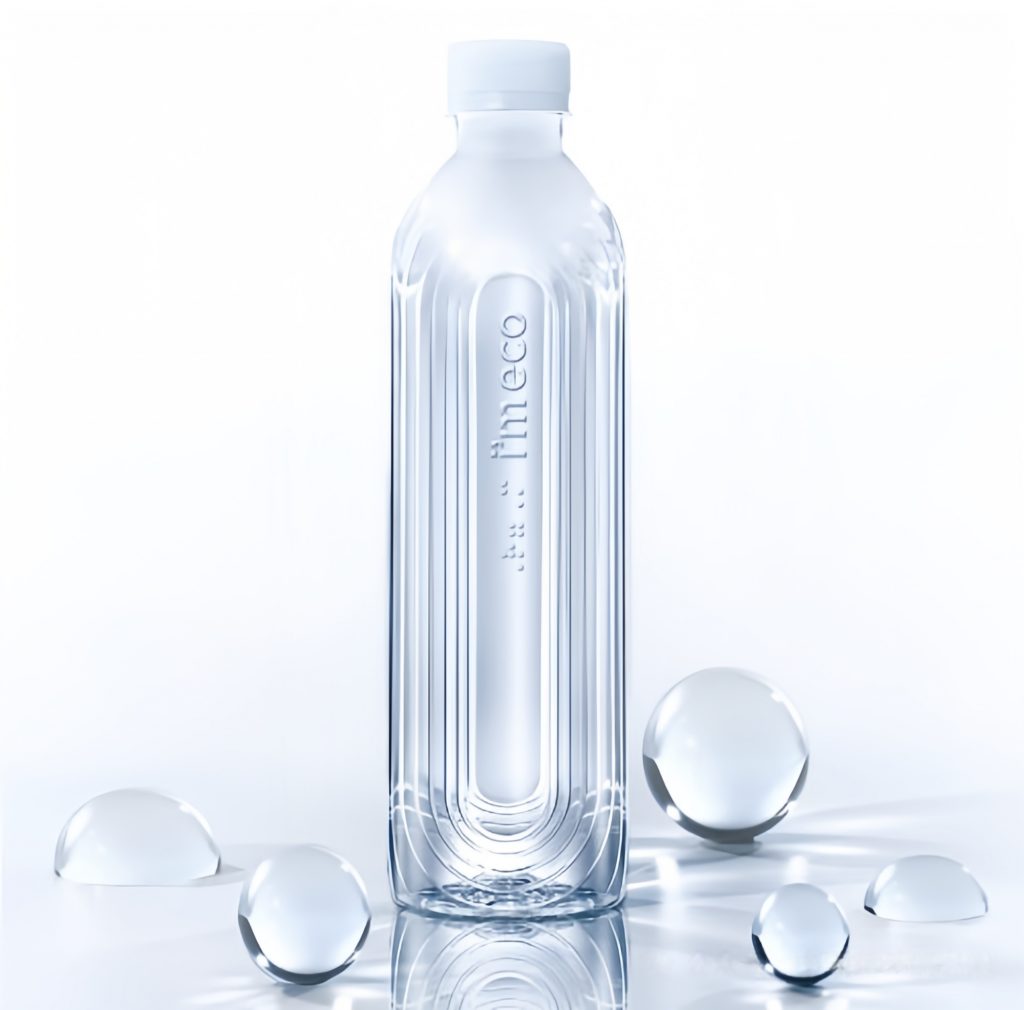
PLA monomaterial packaging refers to a packaging structure in which the major packaging components are manufactured from PLA-based materials rather than combining several different polymer families.
For a bottled-water application, the concept may include:
| Packaging Component | Conventional Material | PLA-Based Alternative |
|---|---|---|
| Bottle | PET | Modified bottle-grade PLA |
| Cap | PP | Modified injection-grade PLA |
| Shrink Label | PVC / PET-G | PLA shrink film |
| Thermoformed Packaging | PET / PP / PS | PLA sheet |
| Secondary Packaging | Various polymers | PLA-based solutions where technically suitable |
The important point is that “same material family” does not necessarily mean identical PLA grade.
The formulation and processing requirements of a bottle are different from those of a cap or shrink film. Bottle-grade PLA may require higher melt strength and controlled orientation behavior, while injection-grade PLA requires a different balance of toughness, flow and dimensional stability.
For this reason, monomaterial packaging should be understood as a material-system design strategy, rather than simply using exactly the same resin grade for every component.
Conventional beverage packaging has evolved around the different performance requirements of each component.
A typical structure consists of:
PET bottle + PP cap + PVC/PET-G shrink label
Each material has a specific function.
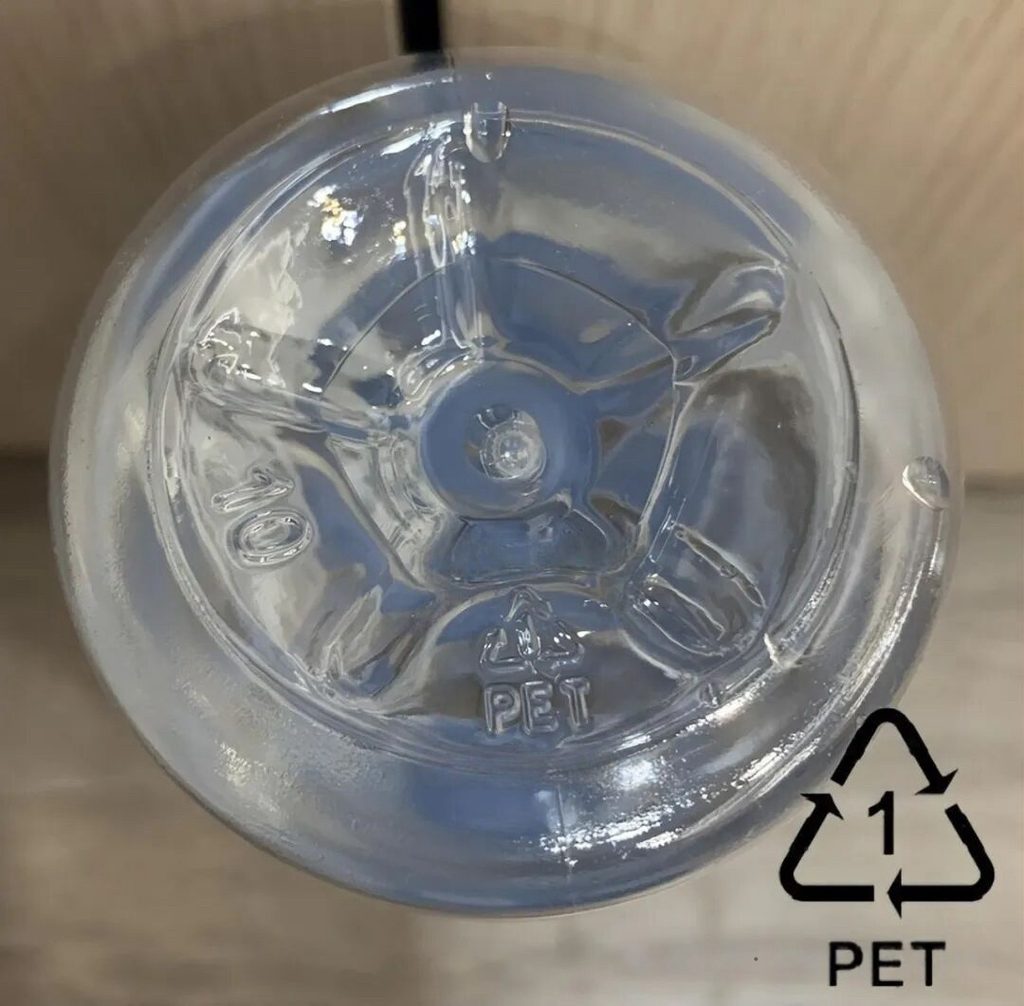
PET is widely used for beverage bottles because of its combination of:
These characteristics make PET suitable for producing lightweight bottles with consistent dimensions and good visual appearance.
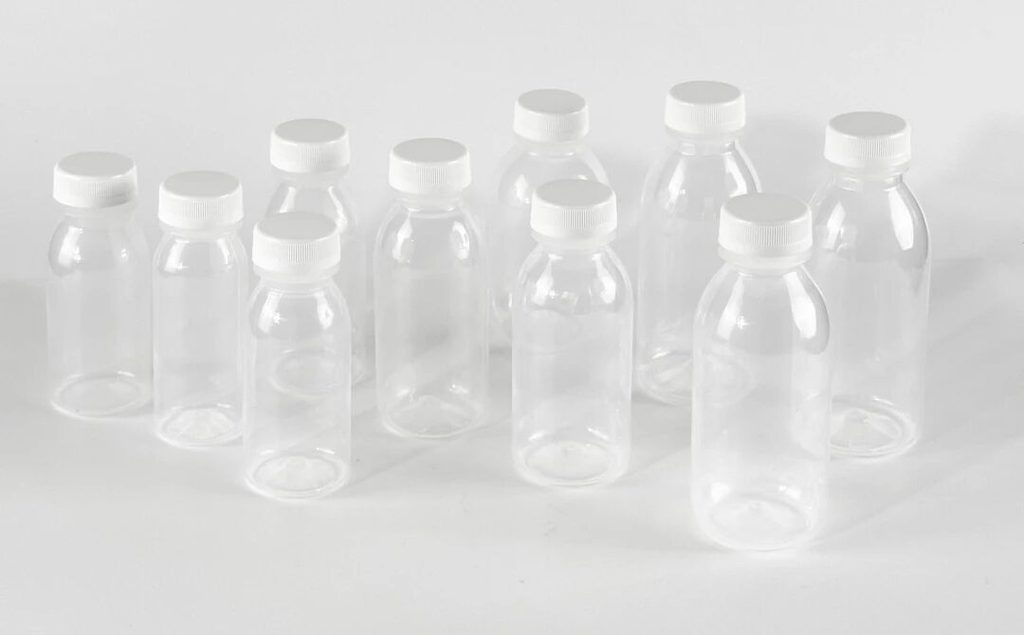
PP provides properties that are useful for closures, including:
The cap therefore requires a different property balance from the bottle itself.
Shrink labels require:
PVC and PET-G have historically been widely used for these applications.
The challenge is that these materials behave differently during recycling.
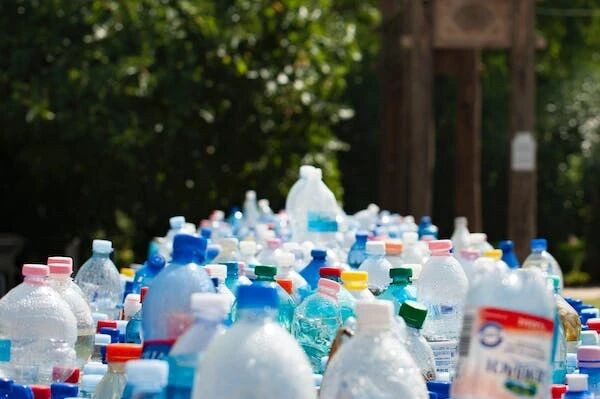
The main issue with a multi-material package is not necessarily the performance of each individual material.
The challenge appears at the end-of-life stage.
PET, PP and PVC/PET-G have different:
As a result, a recycling system may need to separate bottle bodies, caps and labels before high-quality material recovery can take place.
Even a relatively small amount of an incompatible polymer can affect the quality of a recycled resin stream.
This is particularly important when recyclers are targeting higher-value applications.
Collection → Sorting → Label and cap separation → Washing → Flake preparation → Density separation → Contaminant removal → Reprocessing
The exact process depends on the collection system, bottle design, recycling technology and quality requirements of the final recycled material.
This is why packaging design for recycling has become increasingly important.
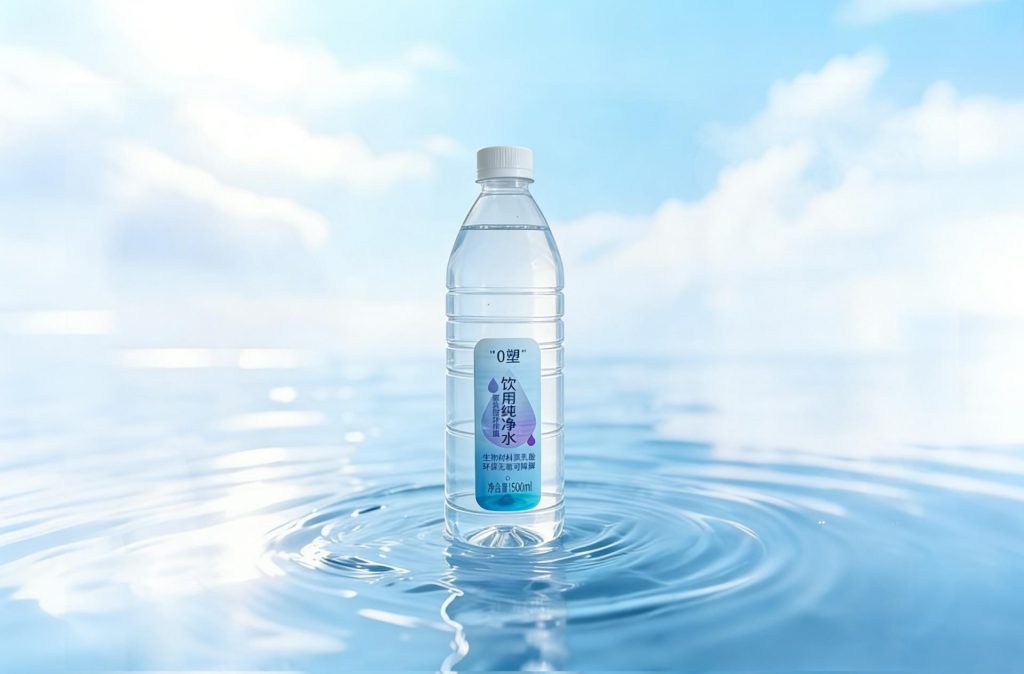
PLA is a bio-based thermoplastic polymer that can be produced from renewable feedstocks.
Depending on the grade and formulation, PLA can be processed using technologies including:
This processing flexibility makes PLA interesting for integrated packaging concepts.
Instead of selecting one polymer for each individual component, manufacturers can develop different PLA grades for different components while maintaining a common material family.
PLA Bottle → PLA Cap → PLA Shrink Label
This approach can reduce the number of polymer families present in the package and may simplify material identification and recovery when an appropriate collection and recycling infrastructure exists.
However, the actual end-of-life route still depends on local recycling infrastructure, product certification and packaging design.
Using PLA for a bottle is not simply a matter of replacing PET resin with PLA.
Bottle production requires careful control of:
PLA is sensitive to moisture and thermal history during processing. Excessive degradation can reduce molecular weight and affect the mechanical performance of the finished product.
Therefore, the processing system needs to be designed around the specific PLA grade and bottle technology.
For applications such as cold-filled drinking water, manufacturers also need to evaluate:
These parameters should be validated through actual material and product testing rather than assumed from the polymer name alone.
Bottle caps have a completely different mechanical requirement from bottles.
A cap needs sufficient toughness and flexibility for:
Traditional PP has been widely adopted because it provides a suitable combination of toughness and processability.
For PLA-based caps, material modification and injection-processing optimization are therefore important.
Possible approaches include controlling:
The objective is to develop an injection-grade PLA formulation capable of meeting the actual closure requirements.
This is an important distinction for engineering projects:
PLA packaging does not mean that every application can use unmodified PLA.
Different components may require different PLA grades and formulations.
A third component of the monomaterial concept is the label.
PLA shrink film can be designed for applications requiring:
For a monomaterial package, using PLA for the shrink label can reduce the presence of unrelated polymer families in the finished packaging structure.
The film production process may include:
PLA Resin → Feeding → Melting & Plasticizing → Extrusion → Film Forming → Cooling → Edge Trimming → Slitting/Winding
Depending on the film structure and production technology, different extrusion and film-forming systems may be selected.

One of the most important points when discussing PLA packaging is that bio-based, biodegradable and compostable are not interchangeable terms.
PLA can be bio-based, but a claim about biodegradability or compostability should be connected to the specific product, formulation, processing conditions and applicable certification.
For certified industrially compostable packaging, standards such as EN 13432 establish requirements related to biodegradation, disintegration, the biological treatment process and the quality of the resulting compost.
Industrial composting also operates under controlled conditions such as temperature, moisture and aeration. It should therefore not be presented as equivalent to ordinary littering, soil degradation or home composting.
The appropriate route depends on the product design and local infrastructure.
This is why responsible PLA packaging design should consider the complete life cycle:
Material Selection → Product Design → Manufacturing → Distribution → Collection → Sorting → Recycling or Organic Recycling
Yes, PLA can be mechanically recycled, but this does not mean PLA packaging can automatically enter conventional PET recycling streams.
PLA requires appropriate sorting and processing conditions.
For a monomaterial PLA package, the potential advantage is that the bottle, cap and label can belong to the same polymer family, reducing the number of incompatible polymers that need to be separated from one package.
However, a successful recycling system still requires:
European Bioplastics notes that PLA is mechanically recyclable and can be recycled at scale where sufficient volumes and suitable sorting streams exist.
Therefore, monomaterial design can support recycling, but it does not eliminate the need for a dedicated collection and recycling infrastructure.
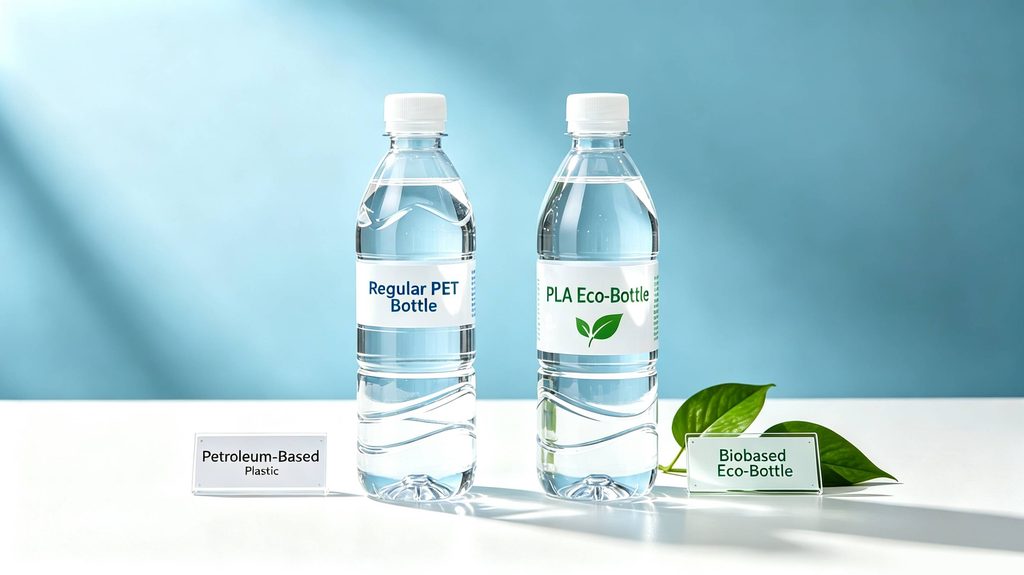
| Factor | Conventional Multi-Material Package | PLA Monomaterial Concept |
|---|---|---|
| Bottle | PET | PLA-based |
| Cap | PP | PLA-based |
| Label | PVC / PET-G | PLA-based |
| Polymer Families | Multiple | Common PLA material family |
| Sorting Complexity | Higher | Potentially reduced |
| Mechanical Recycling | Established PET/PP streams | Requires suitable PLA stream |
| Compostability | Generally not compostable | Possible for certified suitable products |
| Material Source | Mainly fossil-based polymers | PLA can be bio-based |
| Processing | Highly established | Requires PLA-specific process optimization |
| Existing Infrastructure | Widely available | Depends on region |
| Main Challenge | Cross-polymer contamination | Cost, performance and infrastructure |
The comparison should not be interpreted as meaning that PLA is automatically superior for every packaging application.
Instead, the material choice should be based on product requirements, local waste infrastructure, regulatory requirements, economics and the intended end-of-life route.
The concept can be explored across several packaging applications.
A potential integrated structure includes:
PLA Bottle + PLA Cap + PLA Shrink Label
This is the application highlighted by the monomaterial packaging concept.
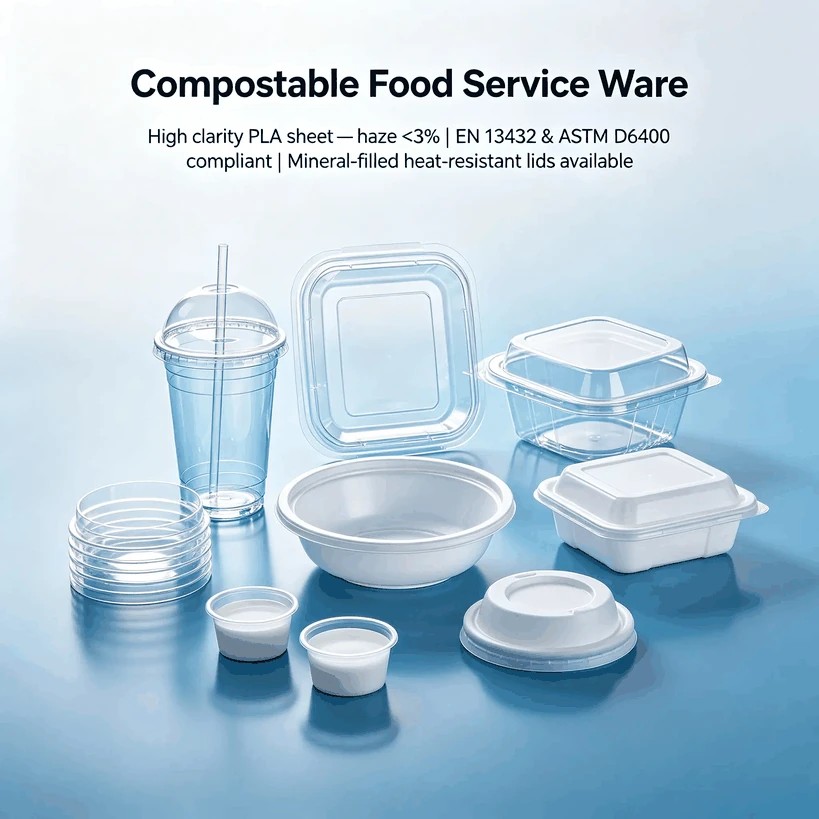
PLA sheet can be processed into thermoformed products such as:
The suitability of a specific PLA grade depends on temperature, food-contact requirements, mechanical performance and processing conditions.
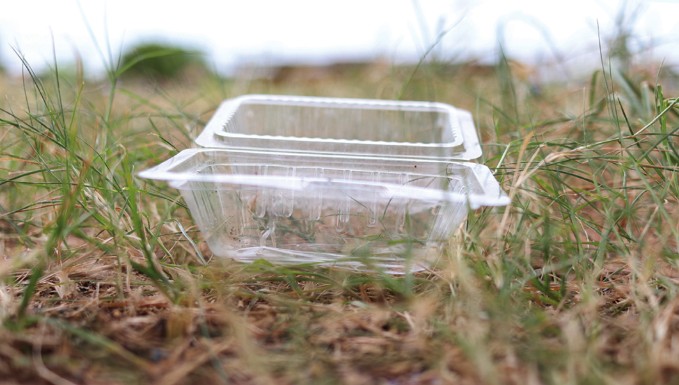
Potential products include:
For compostable applications, the finished product—not simply the PLA resin—needs to meet the applicable requirements and certification conditions.
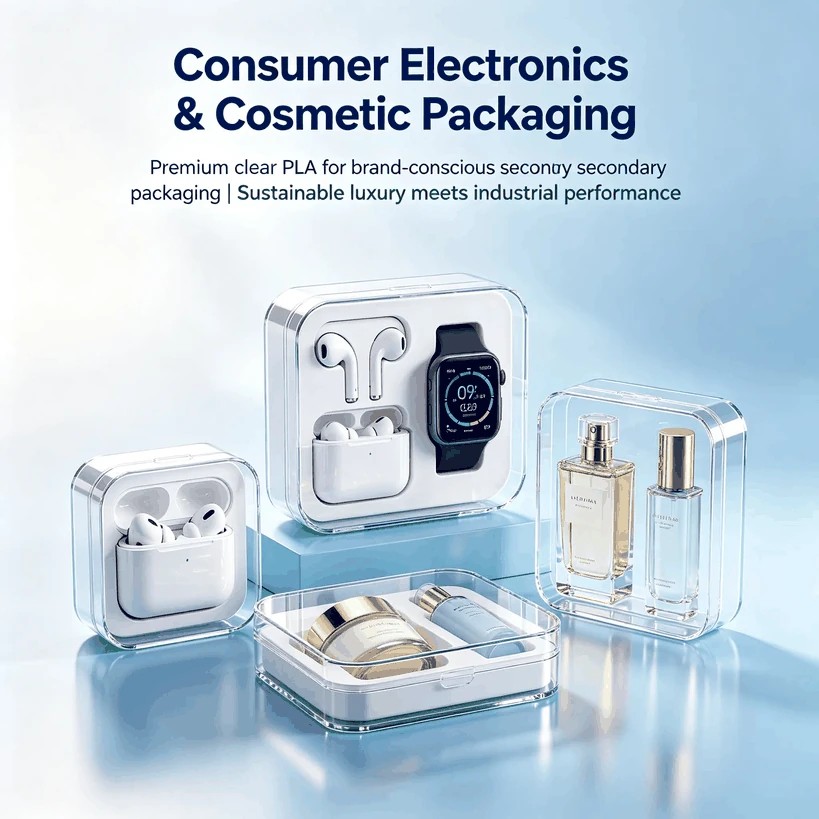
PLA sheet extrusion can provide feedstock for thermoforming applications where manufacturers require:
A sheet extrusion line can therefore form an important part of an integrated PLA packaging production system.
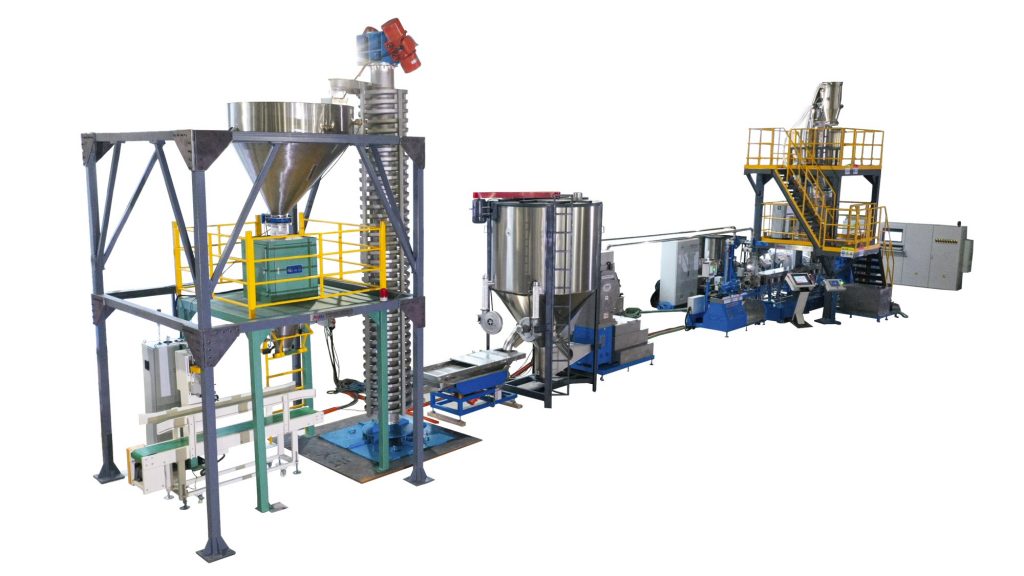
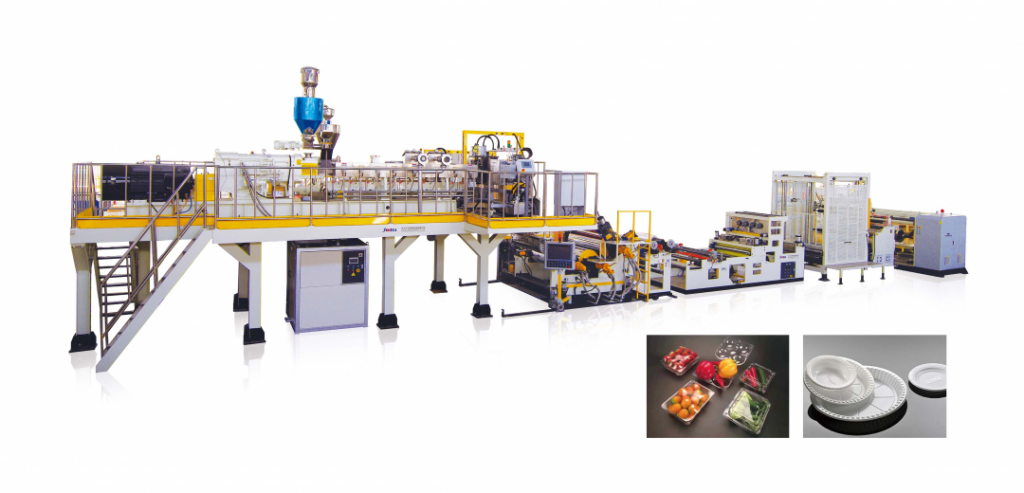
For PLA and PET packaging applications, extrusion equipment plays an important role in controlling melt quality, viscosity retention and sheet uniformity.
Jwell develops PET/PLA sheet extrusion solutions, including twin-screw, vented systems designed for packaging-material applications.
The equipment concept can include:
A controlled feeding system helps maintain stable material throughput and allows manufacturers to manage virgin resin, recycled material and additives according to the formulation.
A customized screw configuration is designed according to the processing characteristics of PET or PLA.
The objective is controlled:
Vacuum degassing can help remove moisture and volatile components from the polymer melt.
This is particularly relevant for moisture-sensitive polymers and recycled feedstocks.
Melt filtration helps remove contaminants before the polymer reaches the die and sheet-forming section.
This can contribute to stable sheet quality when processing recycled or mixed feedstock.
A precision T-die distributes the polymer melt across the sheet width.
The die design and adjustment system are important for controlling:
A three-roll calender is used for cooling, sizing and surface control.
Roll temperature, pressure and speed need to be matched with the material and target sheet specifications.
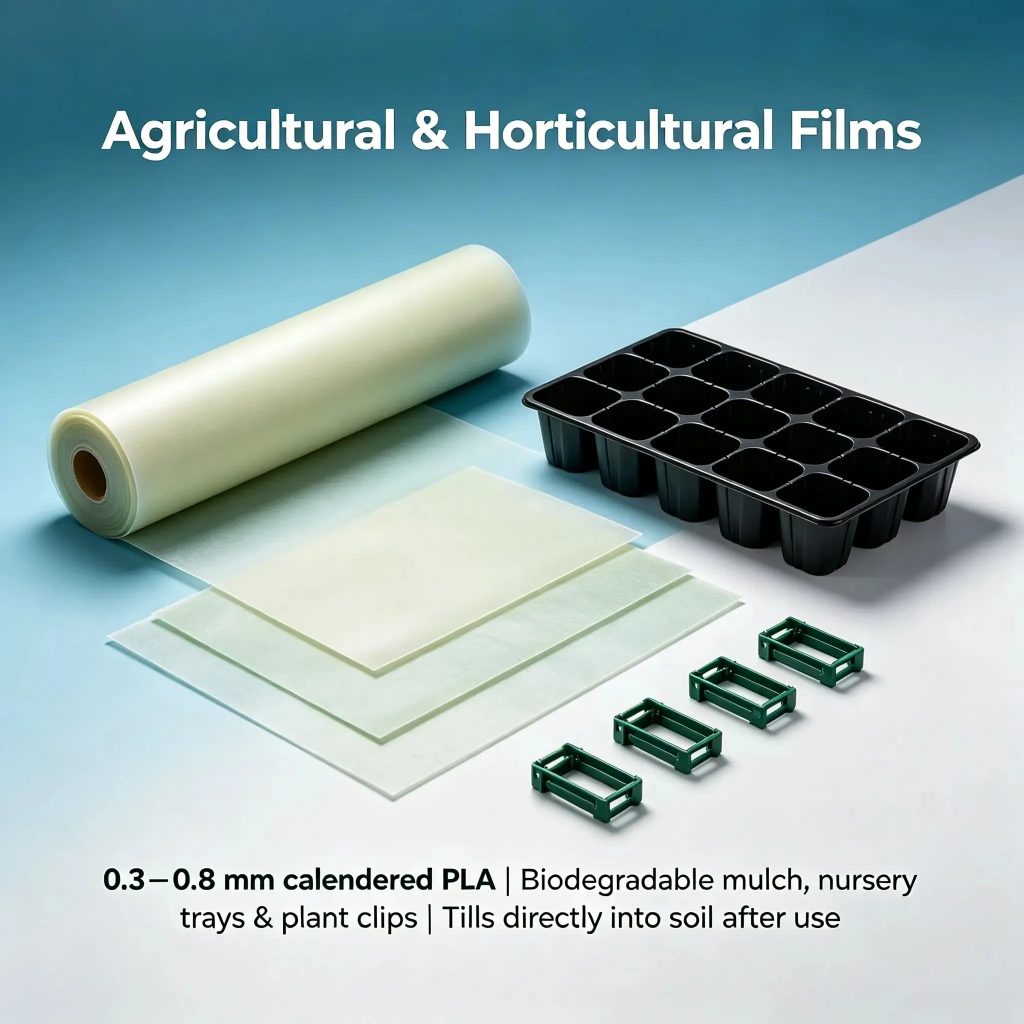
PLA processing requires more than simply setting a temperature profile.
Important variables include:
Improper thermal or mechanical processing can affect PLA molecular weight and therefore influence the performance of the final product.
For this reason, a PLA sheet extrusion line should be engineered according to the actual:
PLA grade + product thickness + sheet width + output requirement + downstream thermoforming process
rather than using a generic extrusion configuration.
For manufacturers evaluating PLA packaging production, several questions should be answered before selecting equipment.
Answering these questions early can significantly improve equipment selection and process design.
PLA offers an interesting pathway toward more integrated packaging structures, but several challenges remain.
Conventional PLA has relatively limited heat resistance compared with some engineering plastics and packaging polymers.
For applications involving:
material modification and product-specific validation may be required.
PLA can be sensitive to moisture and excessive thermal history.
Therefore, manufacturers need to carefully control:
PLA resin and modified PLA formulations can have different cost structures from commodity polymers such as PET and PP.
The economic feasibility therefore depends on:
A monomaterial design can reduce material complexity, but recycling still depends on collection and sorting infrastructure.
A packaging producer should evaluate the actual waste-management system in the target market before selecting recycling or composting as the primary end-of-life strategy.
Environmental claims should be supported by appropriate testing and certification.
For example, a product should not simply be marketed as “industrially compostable” because it contains PLA.
The finished product, including its additives, inks, coatings and other components where applicable, must be evaluated against the relevant requirements.
The development of PLA packaging is moving beyond the simple substitution of fossil-based plastics.
The more significant opportunity is designing packaging around a common material platform and its complete life cycle.
Future developments are likely to focus on:
The final packaging solution will depend on the balance between performance, economics, manufacturing technology and end-of-life infrastructure.
For packaging manufacturers, this means that material development and equipment development need to progress together.
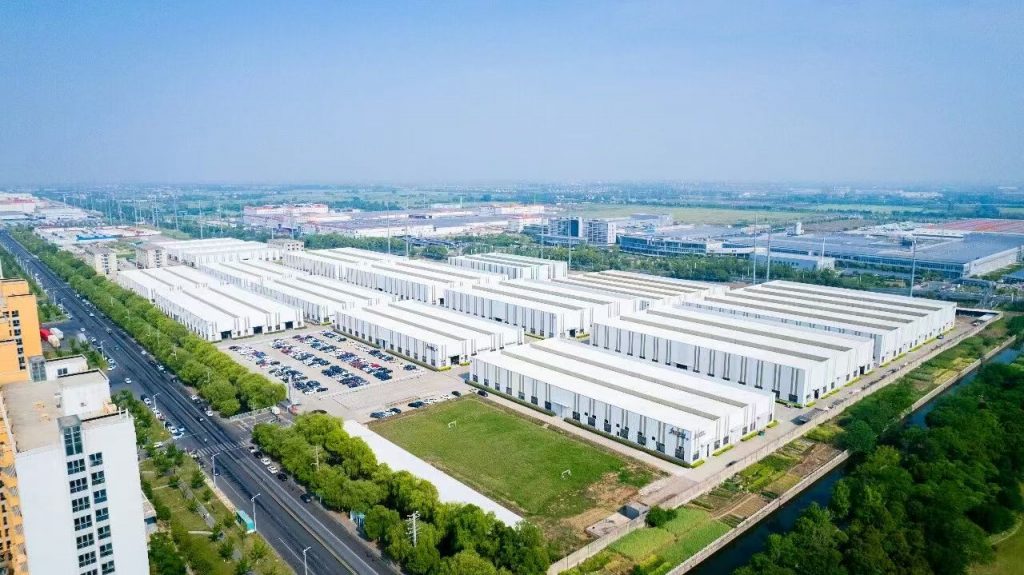
Jwell has developed extrusion technologies for PET, PLA and other polymer-based packaging materials.
Its PET/PLA sheet extrusion solutions are designed around key processing requirements such as:
These technologies can be used for applications including thermoforming sheet, food packaging and other sustainable packaging materials, depending on the material formulation and final product requirements.
For manufacturers developing a PLA packaging project, the equipment should be selected according to the complete process rather than a single machine.
A typical project evaluation should connect:
Raw Material → Extrusion → Sheet/Film/Bottle Forming → Printing or Converting → Packaging → Collection → Recycling or Organic Recycling
This approach helps manufacturers evaluate both production performance and the intended end-of-life pathway.
PLA can be developed for bottle applications, but suitability depends on the specific PLA grade, formulation, bottle design and processing technology. Bottle performance should be validated through mechanical, thermal, filling and storage tests.
PLA can be developed as an alternative material for certain bottle applications. However, it should not be assumed to be a one-to-one replacement for PET in every beverage application. Processing conditions, heat resistance, mechanical properties and filling requirements need to be evaluated.
Modified injection-grade PLA can be developed for closure applications, but cap performance must be validated for toughness, thread integrity, sealing, torque and repeated opening and closing.
Yes. PLA-based shrink film can be developed for label applications requiring controlled shrinkage, printability and bottle conformity.
PLA is a bio-based polymer and can be biodegradable under appropriate conditions. However, “biodegradable” should not be interpreted as meaning that PLA will rapidly disappear in ordinary outdoor environments. For packaging, claims should specify the applicable conditions and certification.
Certain PLA products can be certified for industrial composting. Industrial compostability depends on the finished product and applicable standards, such as EN 13432, rather than simply the presence of PLA resin.
PLA can be mechanically recycled when suitable collection, sorting and recycling systems are available. A dedicated PLA recycling stream can help maintain material quality.
PLA should not simply be treated as PET in conventional PET recycling streams. Appropriate sorting and processing are required to maintain the quality of the recycling process.
Jwell provides PET/PLA sheet extrusion solutions designed for packaging-material applications. The final line configuration can be engineered according to the PLA grade, sheet width, thickness, output, recycled content and downstream thermoforming requirements.
The main factors include PLA grade, moisture control, output, sheet width, thickness range, extrusion configuration, degassing, filtration, die design, cooling system, downstream thermoforming requirements and the intended end-of-life route.
PLA monomaterial packaging represents a different way of thinking about sustainable packaging.
Instead of optimizing the bottle, cap and label independently, manufacturers can consider the entire packaging structure as one material system.
A potential structure such as:
PLA Bottle + PLA Cap + PLA Shrink Label
can reduce the number of polymer families within the package and create new possibilities for material recovery.
At the same time, PLA is not a universal replacement for PET, PP or every conventional packaging material.
The practical solution depends on material formulation, processing technology, product performance, cost, certification and local waste-management infrastructure.
For manufacturers considering PLA packaging production, the key question is therefore not simply:
“Can PLA replace conventional plastic?”
A more useful engineering question is:
“Can a PLA-based packaging system deliver the required product performance while providing a technically and economically viable end-of-life pathway?”
That is where material science, packaging design and extrusion technology need to work together.
Jwell provides PET/PLA sheet extrusion technology and customized plastic extrusion solutions for manufacturers developing recyclable, bio-based and sustainable packaging materials.
Contact Jwell to discuss your PLA sheet, thermoforming or sustainable packaging production project.
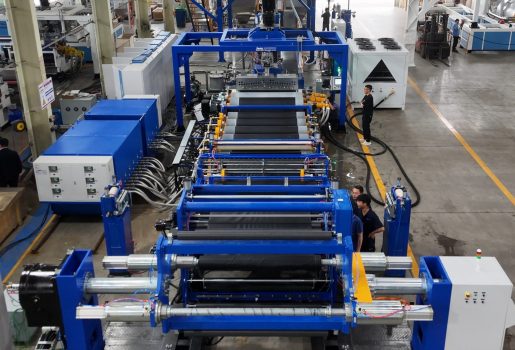
JWELL Machinery’s intelligent TPO sheet production line with multi-component auto-weighing and fully automatic winding delivers high-performance sheets for building waterproofing and automotive interiors.
JWELL Machinery’s intelligent TPO sheet production line with multi-component auto-weighing and fully automatic winding delivers high-performance sheets for building waterproofing and automotive interiors.