Solution
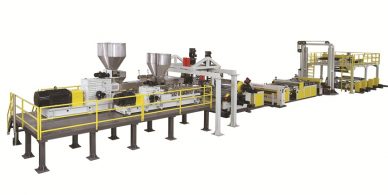
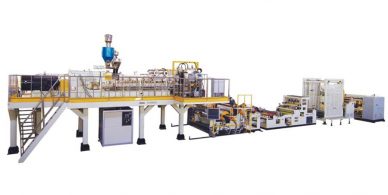
JWELL PP PS sheet extrusion line is a versatile, high-output production system designed for manufacturing polypropylene (PP), polystyrene (PS), high-impact polystyrene (HIPS), and general-purpose polystyrene (GPPS) sheets. As one of the most established and widely used sheet extrusion solutions in JWELL's product portfolio, this line delivers reliable performance for the thermoforming packaging, stationery, and electronics industries.
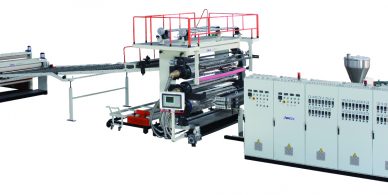
Every critical component — extruder barrel, precision screw, T-die, and three-roller calender — is designed and manufactured in-house by JWELL, ensuring consistent sheet quality from raw material feeding through finished product stacking. The line features a concentrated material feeding system and fully automatic stacker that together reduce processing costs and improve production efficiency. Three output capacities are available (300–800 kg/h) to match production requirements from mid-scale operations to high-volume manufacturing.
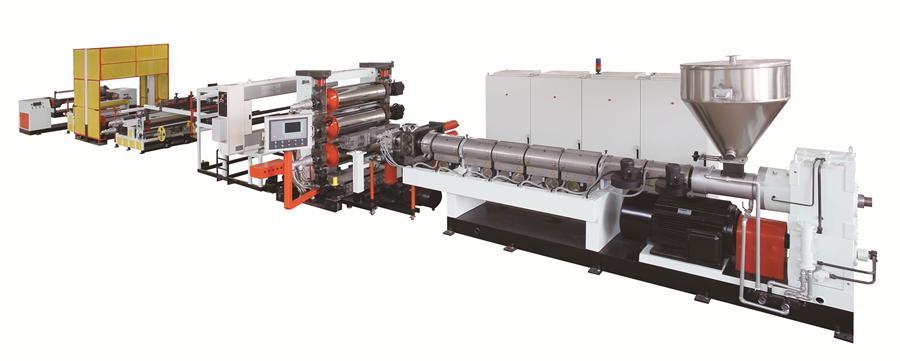
PP PS sheet extrusion is a continuous polymer processing method in which polypropylene or polystyrene resin granules — optionally blended with recycled material, color masterbatch, and functional additives — are fed into a heated single-screw extruder, melted under controlled temperature profiles, and forced through a flat T-die to form a continuous sheet. The molten sheet passes through a three-roller calender that precisely controls thickness, surface finish, and dimensional accuracy, followed by a cooling system and haul-off unit before automatic cutting or winding.
Polypropylene (PP) and polystyrene (PS) are two of the world’s most widely used thermoplastics, collectively serving billions of dollars in packaging, stationery, consumer goods, and electronics markets. Their complementary properties — PP’s toughness, heat resistance, and food safety versus PS’s crystal clarity, rigidity, and ease of forming — make them the standard materials for thermoformed packaging worldwide.
Understanding the differences between PP and PS sheets is essential for selecting the right production strategy. JWELL’s extrusion line processes both materials, allowing manufacturers to switch between PP and PS production based on market demand.
Standard single-layer sheets in PP, PS, HIPS, or GPPS for vacuum-formed and pressure-formed packaging. These sheets are the workhorse of the thermoforming industry, used for food containers, beverage cups, blister packs, consumer goods packaging, and electronic component trays. JWELL’s extrusion line produces consistent thickness (±0.02 mm tolerance) and surface quality that thermoformers require for high-speed production.
Two-color co-extruded sheets with different materials or colors on each surface side. This capability is widely used for branded food packaging where the food-contact surface meets regulatory requirements while the exterior displays vibrant printing for shelf appeal. The co-extrusion configuration uses two extruders feeding a combined die, enabling precise control of layer ratios.
High-clarity PP sheets with transparent surfaces on both sides, used for premium food packaging where maximum product visibility drives consumer purchase decisions. These sheets maintain PP’s inherent food safety, chemical resistance, and microwave compatibility while providing the visual clarity that markets like fresh produce, deli items, and bakery products demand.
PP sheets in transparent, frosted (dull polish in both coarse and fine finishes), two-color, and 3D-effect varieties for the stationery industry. Applications include document covers, report folders, binding covers, dividers, and decorative office supplies. The ability to produce different surface textures and visual effects on the same extrusion line provides stationery manufacturers with production flexibility and reduced equipment investment.
Specialized PS sheets with anti-static or electrically conductive properties, produced by incorporating conductive masterbatch additives during extrusion. These sheets are essential for packaging semi-conductive electronic components, computer products, microchips, and precision instruments that require protection from dust contamination, electrostatic discharge (ESD), and radio frequency interference (RFI).
| Model | JWS120 | JWS130 | JWS150 | JWS150+JWS90 |
| Products Width (mm) | 800 | 800 | 800 | 800 |
| Products Thickness (mm) | 0.3~2 | 0.3~2 | 0.3~2 | 0.3~2 |
| Capacity( kg/h) | 300~400 | 400~550 | 600~800 | 800~1000 |
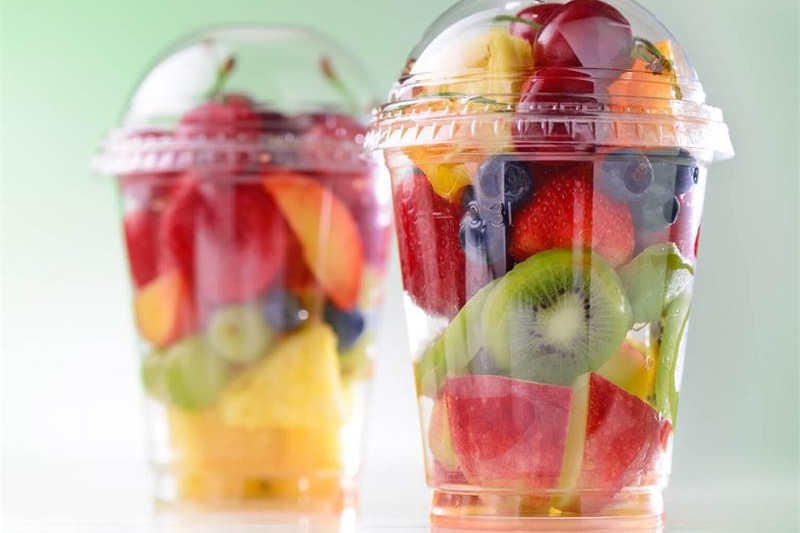
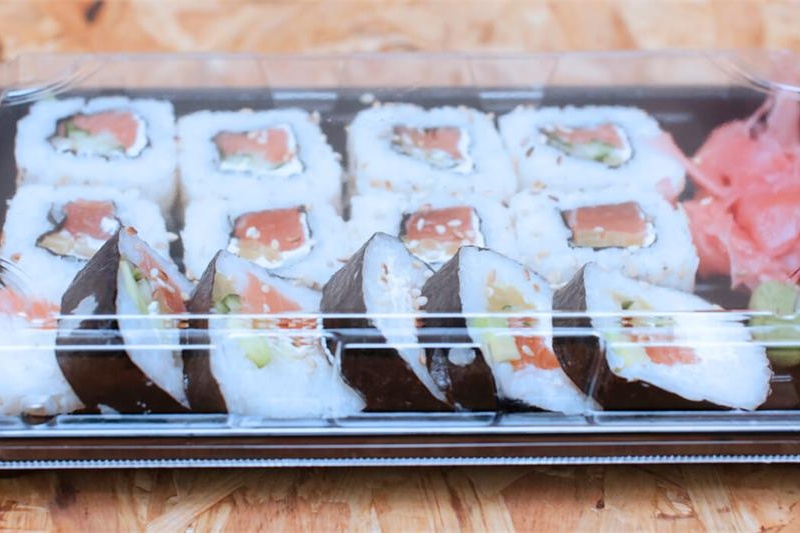
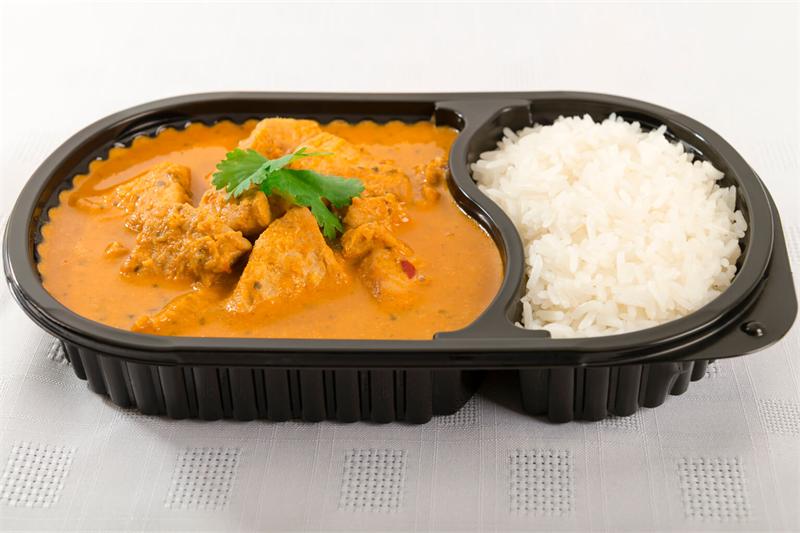
PP and PS sheets are the dominant materials for thermoformed food packaging globally. PP sheets serve microwave-safe containers, dairy packaging (yogurt cups, butter tubs), jelly boxes, fast food containers, and cold drink cups. PS sheets (GPPS) produce clear clamshell containers, deli trays, bakery displays, and confectionery boxes. PS (HIPS) is used for disposable cutlery, cup lids, and rigid food containers.
PP sheets in transparent, frosted, two-color, and 3D-effect finishes are thermoformed into document covers, report binders, folder covers, desk organizers, and decorative office products. The stationery market values visual differentiation, and JWELL’s co-extrusion capability enables manufacturers to produce unique multi-color and textured sheets on demand.
PS conductive sheets protect sensitive electronic components during shipping, storage, and assembly. Applications include IC tray packaging, circuit board carriers, smartphone component trays, hard drive packaging, and precision instrument containers where static-free, dust-free conditions are mandatory.
PS and HIPS sheets are thermoformed into cosmetic packaging, personal care product containers, toy packaging, hardware display packs, clothing hangers, and point-of-sale retail displays. GPPS’s crystal clarity makes it ideal for see-through packaging that showcases products on retail shelves.
PP sheets are widely used for medical blister packs (tablet and capsule packaging), surgical instrument trays, and disposable medical device containers. PP’s food-contact safety, chemical resistance, and sterilization compatibility make it the preferred material for healthcare packaging applications.
JWELL manufactures all critical components — barrels, screws, T-die, and calender rollers — in our own facilities. This vertical integration gives us complete control over material quality, machining precision, and final assembly, ensuring consistent extrusion performance and sheet quality from every machine we deliver.
The PP PS extrusion line is designed for straightforward operation with PLC touch-screen control, automatic parameter setting, and real-time production monitoring. The simple and standard machine configuration makes it an ideal choice for both experienced sheet producers and manufacturers entering the thermoforming sheet market for the first time. High plasticization quality and stable running ensure consistent sheet output throughout production shifts.
A single JWELL extrusion line processes the entire PP and PS material family — PP, PS, GPPS, HIPS, and PE — enabling manufacturers to produce multiple product types on the same equipment. Switch between PP for microwave-safe food containers and GPPS for crystal-clear packaging without changing machines, maximizing equipment utilization and reducing capital investment.
JWELL maintains dedicated sales and service offices in Turkey, Vietnam, Thailand, Brazil, and Canada, with over 500 plastic engineers serving customers worldwide. Our cloud-based remote monitoring system tracks machine status in real time, enabling proactive maintenance and rapid troubleshooting to keep your production running without interruption.
JWELL extrusion lines deliver performance and build quality comparable to top European extruder manufacturers at approximately 30% lower investment cost. This value advantage allows thermoforming sheet producers to achieve faster return on investment while meeting the quality standards demanded by food packaging brands, electronics manufacturers, and stationery companies.
JWELL’s PP PS sheet extrusion lines are available in three models with different output capacities: JWS120 produces 300–400 kg/h, JWS130 delivers 400–550 kg/h, and the largest model JWS150 achieves 600–800 kg/h. All models produce sheets in the 0.3–2 mm thickness range at 800 mm width. Actual throughput depends on sheet thickness, material grade (PP, PS, HIPS), and whether co-extrusion is active. Thinner sheets (0.3–0.5 mm) for blister packaging typically run at higher line speeds, while thicker sheets (1.5–2.0 mm) for stationery or industrial applications reduce throughput slightly.
PP (Polypropylene) and PS (Polystyrene) serve different packaging markets. PP offers higher heat resistance (melts at 160–170°C vs 240°C for PS, but softens at 80–100°C), excellent chemical resistance, food-contact safety including microwave use, superior impact strength and flexibility, and good moisture resistance. PP is semi-translucent to opaque. PS (especially GPPS) offers crystal-clear transparency, superior hardness at the same thickness, easier thermoforming and molding, low static electricity for electronics packaging, and lower material cost. PS is rigid but brittle. Choose PP for microwave-safe food containers, medical packaging, and durable reusable products. Choose PS for clear display packaging, disposable cups and cutlery, electronic component trays, and cost-sensitive single-use applications.
Yes, PP and PS sheets are the two most common materials for thermoformed food packaging worldwide. PP sheets are widely used for microwave-safe containers, dairy product packaging (yogurt cups, butter tubs), jelly boxes, fast food containers, cold drink cups, and medical blister packs. PP is FDA-approved for food contact and safe for repeated use. PS sheets (particularly GPPS and HIPS) are used for clear clamshell containers, disposable cups for hot and cold beverages, bakery trays, deli containers, and confectionery packaging. Both materials offer excellent thermoformability — PS forms easily with high clarity, while PP provides better heat resistance for hot-fill and microwave applications. JWELL’s extrusion line can switch between PP and PS production, allowing manufacturers to serve multiple market segments on the same equipment.
JWELL’s PP PS sheet extrusion line produces multiple sheet types on the same equipment: Single-layer sheets in PP, PS, HIPS, or GPPS for standard thermoforming applications. Co-extrusion two-color sheets with different colors on each side for branded and decorative packaging. Double-side transparent PP sheets for premium food packaging where product visibility is essential. PP dull polish sheets (both coarse and fine matte finishes) for stationery and decorative applications. PP transparent and frosted sheets for stationery covers, folders, and office supplies. PS electrically conductive sheets for anti-static packaging of semi-conductive components, computer products, and electronics requiring dust-free and static-free environments. The multi-component feeding system allows precise control of virgin material, recycled content, and color masterbatch ratios.
GPPS (General Purpose Polystyrene) is crystal-clear, rigid, and easy to process, making it the standard choice for transparent packaging, disposable cups, and display applications. However, GPPS is brittle with low impact resistance. HIPS (High Impact Polystyrene) is modified with polybutadiene rubber particles during polymerization, which significantly improves toughness and impact resistance — typically 5–10 times higher than GPPS. HIPS is opaque (white or off-white) and is used for refrigerator liners, electronics housings, luggage components, and applications where durability matters more than clarity. JWELL’s PP PS extrusion line processes both GPPS and HIPS on the same equipment by simply changing the raw material, allowing manufacturers to produce both clear packaging (GPPS) and durable containers (HIPS) depending on market demand.
JWELL offers three models of PP PS sheet extrusion lines: JWS120 with 300–400 kg/h output, JWS130 with 400–550 kg/h output, and JWS150 with 600–800 kg/h output. All three models produce sheets at 800 mm width in the 0.3–2 mm thickness range and process PP, PS, HIPS, and PE materials. The lines feature single-screw extruders with JWELL’s in-house manufactured barrels, screws, T-die, and three-roller calender. The JWS150 is the most popular model for medium-to-high volume producers, while the JWS120 suits smaller operations or startups entering the thermoforming sheet market. All models include automatic stacker and PLC control system with touch screen interface.
Yes. JWELL’s PP PS extrusion line supports co-extrusion for two-color and multi-layer sheet production. The co-extrusion capability enables A/B two-layer structures with different materials or colors on each side — for example, a PP white layer on one side and a transparent or colored layer on the other. This is widely used for branded food packaging where the interior surface contacts food while the exterior displays printing. For more complex barrier requirements, JWELL also offers dedicated multi-layer lines with 5-layer symmetric and 7-layer asymmetric co-extrusion configurations combining PP, EVA, EVOH, and PE layers for high-barrier food packaging such as meat trays, jelly cups, and medical packaging.
PS conductive (electrically conductive polystyrene) sheet is a specialized PS sheet grade infused with conductive additives or carbon coatings that dissipate static electricity. It is primarily used for packaging semi-conductive electronic components, computer products, microchips, and precision instruments that require protection from three hazards: dust contamination, static electricity discharge (ESD), and radio frequency interference (RFI). Standard PS packaging can generate static charges during handling and thermoforming, which can damage sensitive electronics. Conductive PS sheets prevent this by providing a controlled surface resistivity that safely dissipates electrostatic charges. JWELL’s PP PS extrusion line can produce conductive PS sheets by incorporating anti-static masterbatch additives during extrusion, serving the growing electronics manufacturing and semiconductor packaging market.
The typical timeline from order confirmation to full production is 60 to 90 days. This includes approximately 45–60 days for machine fabrication, assembly, and factory testing at JWELL’s Changzhou facility; 15–30 days for ocean freight shipping depending on destination; and 7–14 days for on-site installation, commissioning, and operator training. JWELL sends experienced engineers to the customer’s factory for installation supervision and hands-on training covering material handling, extruder operation, sheet quality inspection, troubleshooting, and daily maintenance. Training continues until the customer’s operators can independently produce qualified PP and PS sheets that meet thickness, clarity, and dimensional specifications.
Key factors to evaluate when purchasing a PP PS sheet extrusion line include: (1) Material versatility — confirm the line processes both PP and PS families (GPPS, HIPS) if you serve multiple markets; PP/PS switching capability maximizes utilization. (2) Capacity — match output (300–800 kg/h) to your projected demand and customer order volume. (3) Co-extrusion — if you need two-color or multi-layer sheets for premium packaging, verify the co-extrusion configuration and die design. (4) Sheet quality — in-house manufactured screws, T-die, and calender rollers ensure better thickness uniformity and surface finish. (5) Application range — consider whether you also need conductive PS for electronics or stationery-grade PP with frosted/matte finishes. (6) After-sales support — verify global service coverage, spare parts availability, and remote monitoring capability. (7) Energy efficiency — modern screw designs and optimized heating systems reduce per-kg production costs. (8) Certifications — food-grade production requires CE, ISO, and food-contact compliance documentation. JWELL offers all three capacities with global service offices in Turkey, Vietnam, Thailand, Brazil, and Canada.
https://www.jwellplate.com/projects/pp-sheet-extrusion-line/