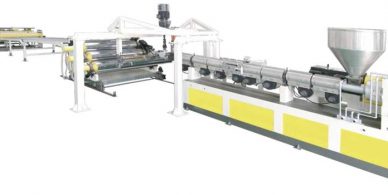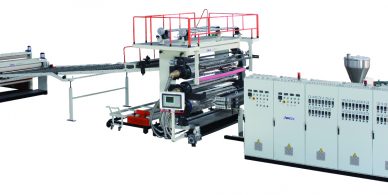
Solution

PP PE hollow sheet extrusion line

1. What is PP/PE hollow sheet (corrugated board) and what makes it special?

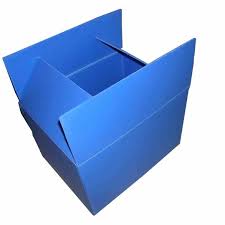
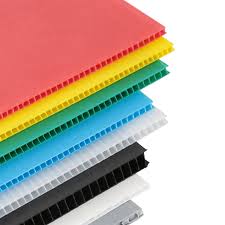
PP/PE hollow sheet — also called twin-wall sheet, honeycomb panel, coroplast/corflute board, or corrugated plastic board — is a lightweight extruded plastic sheet with an internal ribbed structure creating hollow chambers between two flat outer skins. This unique sandwich construction delivers an extraordinary strength-to-weight ratio that solid sheets simply cannot match.

🪶

Ultra-Lightweight

Up to 5x lighter than solid sheets of equal rigidity
Density only 0.3~0.8 kg/m²

💪

High Strength-to-Weight

Internal ribs act like I-beams
Excellent flexural & impact stiffness

♻️

100% Recyclable

PP/PE fully recyclable (Grade 5 / Grade 4)
Eco-friendly & circular economy ready

Key Material Properties at a Glance:

  • Moisture Resistance: Completely waterproof — does not swell, warp, or degrade when wet; ideal for outdoor and refrigerated applications
  • Chemical Resistance: Resistant to most oils, acids, alkalis, and solvents; suitable for laboratory and chemical packaging
  • Electrical Insulation: Excellent dielectric properties; widely used for ESD-safe electronic packaging and transformer insulation
  • Thermal Stability: Operating range from -20°C to +80°C (PP) or -40°C to +70°C (PE); short-term peaks up to +100°C possible
  • Flame Retardancy: Available in FR grades meeting UL94 V-2, V-1, and V-0 standards for construction and transportation use
  • UV Weatherability: Can be co-extruded with UV-absorbing cap layers for extended outdoor service life (3–10 years depending on grade)
  • Easy Fabrication: Can be cut with knife/saw, folded along flute lines, ultrasonically welded, heat-bent, screen/digital printed, die-cut, and grommeted
  • Food Contact Safe: FDA-compliant grades available for direct food-contact applications such as produce trays and bakery containers

Available Production Range on Jwell Extrusion Lines:

Thickness: 2 – 12 mm
(standard 2–8 mm, custom up to 12 mm)
Width: up to 2,100 mm
(JWS130 max width)
Rib Styles: V-shape / Rectangular / X-shape / Custom
Interchangeable forming mandrels
Colors: Unlimited
Masterbatch or co-extruded skin layers
Output Speed: 1.5 – 6 m/min
Depending on thickness & material

Why choose hollow sheet over alternatives? Compared to cardboard (damages when wet, single-use), solid plastic sheets (heavy, expensive), foam boards (fragile surface, not reusable), and metal panels (corrosive, heavy), hollow corrugated plastic offers the best combination of durability, lightweight, printability, fabricability, reusability, and total cost-per-use-cycle. It is rapidly replacing traditional materials across packaging, signage, construction, automotive, and agricultural industries worldwide.
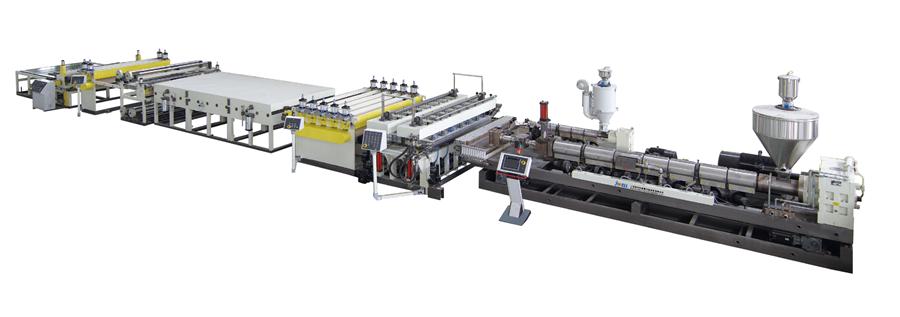
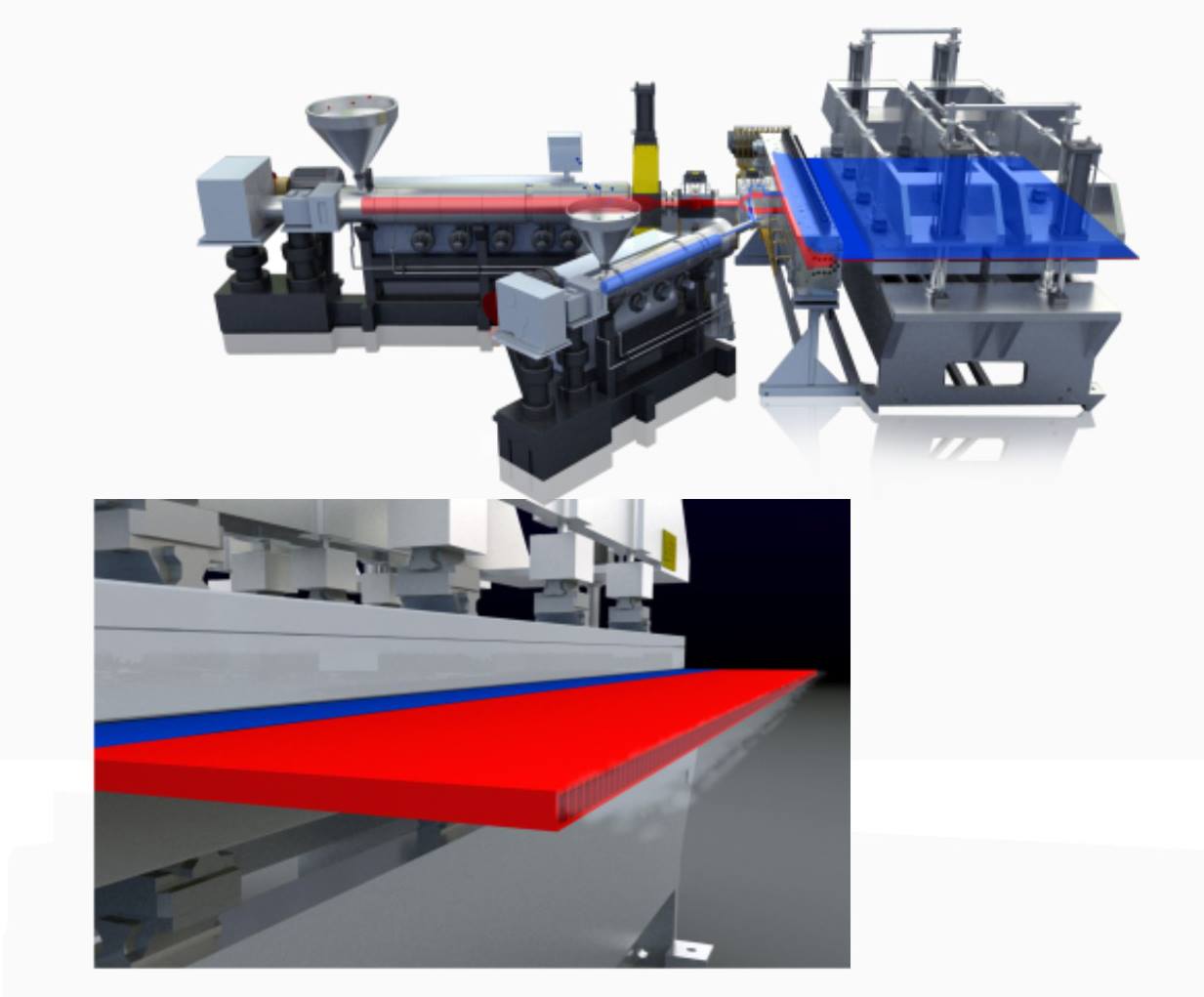
Technical Specification

Model JWS120 JWS130
Product Width (mm) 1220 2100
Sheet Thickness (mm) 2~8 2~8
Machine Capacity (kg/h) 300~400 400~500

Used For

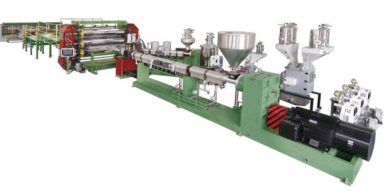
Machine Type(JWS130)

FAQs


Frequently Asked Questions

Everything you need to know about PP/PE hollow sheet extrusion lines

1. What is PP/PE hollow sheet (corrugated board) and what makes it special?

PP/PE hollow sheet — also called twin-wall sheet, honeycomb panel, or corrigated plastic board — is a lightweight extruded sheet with an internal ribbed structure creating hollow chambers between two flat outer skins.

🪶

Lightweight

Up to 5x lighter than solid sheets of equal rigidity
(0.3~0.8 kg/m²)

💪

High Strength

Excellent stiffness-to-weight ratio
Impact resistant

♻️

100% Recyclable

PP/PE fully recyclable
Eco-friendly material choice

  • Moisture & Chemical Resistant — unaffected by water, oils, most chemicals
  • Electrical Insulation — safe for electronic packaging and ESD applications
  • Easy Fabrication — can be cut, folded, welded, printed, and corfluted
  • Available Thickness: 2–12 mm | Width: up to 2,100 mm

2. How does a hollow sheet extrusion line work?

A hollow sheet extrusion line operates through a specialized continuous process:

  1. Material Feeding: PP/PE granules (with optional colorants, UV stabilizers, flame retardants) loaded into the extruder hopper via gravimetric feeder for precise dosing
  2. Melting & Mixing: Single or twin-screw conveys, melts, and uniformly mixes material through heated barrel zones (190–230°C for PP, 160–200°C for PE)
  3. Hollow Die Forming: Molten polymer enters a specialized split-flow die that directs material to upper/lower lips while internal forming pins create the rib structure between the two skins
  4. Vacuum Calibration: The hollow profile enters a vacuum sizing tank where internal air pressure + external vacuum precisely forms and cools the hollow geometry, locking in the rib dimensions
  5. Haul-Off: Rubberized nip rollers pull the formed sheet at controlled speed, maintaining dimensional stability
  6. Cutting: Flying cutoff saw cuts sheets to programmed lengths automatically

Jwell lines feature Siemens PLC + ABB inverter control monitoring all zones: barrel temps, die temp, melt pressure, motor load, vacuum level, internal air pressure, haul-off speed, and cutting length.

3. What is the difference between hollow sheet and solid sheet?

Property Hollow Sheet (Twin-Wall) Solid Sheet
Internal Structure Ribs between 2 skins None (solid throughout)
Weight Very Light (best) Heavy
Stiffness-to-Weight Excellent Good
Reusability Highly Reusable (50+ cycles) Highly Reusable
Fabrication Cut, fold, weld, print, die-cut Cut, thermoform, drill, print
Best For Signage / Packaging dividers
Formwork / Display / Protection
Glazing / Machine guards
Windows / Safety shields
Cost per Use Cycle Best value (reusable) Higher initial cost

Bottom line: Choose hollow sheet when lightweight reusability, printability, and cost-per-cycle matter most — packaging, signage, construction formwork, event displays. Choose solid sheet when surface finish quality, optical clarity, or absolute structural integrity is required — glazing, safety windows, machine guards.

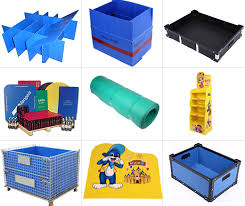
4. What industries use PP/PE hollow corrugated sheets?

Packaging & Logistics
Reusable shipping containers • Pallet sleeves • Box partitions • Dunnage pads • Protective corner guards
Advertising & Signage
Real estate signs • Event signage • POP displays • Screen-printed boards • Exhibition graphics
Construction & Building
Concrete formwork • Floor protection • Site barriers • Sandwich panel cores • Temporary fencing
Agriculture
Greenhouse cladding • Seedling trays • Grain bin liners • Poultry house partitions
Automotive
Interior trunk liners • Cargo area mats • Protective covers • Under-seat components
Furniture & Interiors
Modular furniture cores • Wardrobe backing • Drawer bottoms • Room dividers

5. What models and specifications do Jwell hollow sheet extrusion lines offer?

Specification JWS120 JWS130
Sheet Width Up to 1,220 mm Up to 2,100 mm
Sheet Thickness 2 – 8 mm (up to 12 mm custom)
Output Capacity 300 – 400 kg/h 400 – 500 kg/h
Screw Diameter 120 mm single screw 130 mm single screw
Rib Configuration Interchangeable mandrels: V-shape, Rectangular, X-shape, Custom
Control System Siemens PLC + ABB Inverter (full automation)

Both models feature precision hollow-forming dies with interchangeable mandrels, multi-zone vacuum calibration tanks, and automatic flying cutters. Co-extrusion options available: UV-resistant cap layer, colored skin layers, anti-static core layer.

6. Can one extrusion line produce both PP and PE hollow sheets?

Yes. Jwell hollow sheet lines are designed as multi-material platforms capable of processing both PP and PE (HDPE/LDPE). Each material requires specific parameter adjustments when switching:

Parameter PP (Polypropylene) PE (Polyethylene)
Processing Temperature 190 – 230°C 160 – 200°C
Screw Design Barrier/mixing screw Gentle compression ratio
Drying Required? No (normally) No (normally)
Typical Additives UV stabilizer, antistatic Antioxidant, slip agent
Melt Flow Behavior Higher viscosity, shear-sensitive Lower viscosity, easier flow
Cooling Speed Moderate (crystallizes fast) Slower (requires more cooling length)

Jwell Advantage: We provide complete material switch-over protocols and can configure lines with quick-change components (screw sets, die adapter plates) to minimize downtime during material transitions.

7. What advantages do Jwell hollow sheet extrusion lines offer over competitors?

Proprietary Hollow Die Technology

Internally-designed dies with precision-machined interchangeable forming mandrels ensure consistent wall thickness across the full sheet width. Eliminates common industry problems: thin spots, collapsed ribs, and dimension drift during long production runs.

Advanced Multi-Zone Vacuum Calibration

Multi-stage vacuum tanks with individually adjustable zones deliver superior geometry control — achieving flatness tolerance within ±0.15mm/m. Critical for applications demanding tight dimensional consistency.

In-House Core Manufacturing = 30% Cost Savings

Barrels, screws, hollow dies, calibration tooling, rollers — ALL manufactured by Jwell. No third-party outsourcing means full end-to-end quality control and pricing comparable to top German brands at roughly 30% lower total investment.

Proven Track Record — 80+ Lines in North America Alone

Since 1997, serving customers across 100+ countries. Our hollow sheet expertise spans every major market: packaging converters, signage manufacturers, construction suppliers, automotive Tier suppliers. We have seen and solved every hollow sheet production challenge imaginable.

8. How long is the delivery and installation timeline?

Phase 1
Order → Ex-Factory Ready
60–90 days
Fabrication, assembly, factory acceptance test (FAT) with trial run on your actual resin grade
Phase 2
Ocean Freight (Shanghai)
7–35 days
NA/EU 25-35d · SE Asia/Middle East 7-15d · South America 35-45d
Phase 3
Customs & Local Delivery
5–15 days
Varies by destination country import regulations and customs processing speed
Phase 4
On-Site Installation
18–28 days
Foundation prep → Mechanical align → Electrical → Vacuum tune → Material trials → Training → Sign-off

Planning Tip: Place orders 4 months ahead of planned production start date. Hollow sheet lines involve complex die/calibration setup — allow extra buffer time.

9. Common hollow sheet production problems and solutions?

01
Rib Collapse / Deformation
Cause: Insufficient internal air pressure inside hollow chambers, or excessive haul-off speed pulling ribs out of shape before they fully cool
Fix: Increase internal air pressure gradually in 0.05 bar steps; reduce puller speed by 10-15%; check vacuum calibration tank suction level at each zone

02
Uneven Wall Thickness
Cause: Die lip gap imbalance across sheet width, off-center mandrel position causing asymmetric flow distribution
Fix: Recalibrate die bolt torque pattern at 10+ points; verify mandrel centering with feeler gauges; check die land parallelism with feeler gauges under 0.05mm tolerance

03
Surface Roughness / Melt Fracture
Cause: Melt temperature too low for stable flow, or excessive shear rate at die land creating melt fracture surface defects (sharkskin)
Fix: Raise barrel temps 5-10C near die exit; broaden die land gap if possible; add 0.5-1% processing aid masterbatch to reduce melt fracture onset

04
Warping / Curling
Cause: Asymmetric cooling between top and bottom skin surfaces causing differential shrinkage stress as the sheet cools unevenly
Fix: Balance vacuum tank water spray patterns on top/bottom equally; adjust haul-off nip roller pressure to be even on upper and lower rollers

05
Dimensional Instability (Width/Thickness Fluctuation)
Cause: Inconsistent gravimetric feeding output, or screw surge from worn barrel-screw clearance allowing backflow variation
Fix: Verify gravimetric feeder accuracy within ±0.5%; check PID tuning on all temperature controllers; inspect screw/barrel wear gap — replace if >0.5mm clearance

Need help? Jwell after-sales team provides troubleshooting guides, video consultations, and on-site diagnostics. Contact +86 18851202565 or [email protected].

10. Does Jwell provide warranty, training, and after-sales support?

Yes — comprehensive lifetime support covering every phase of ownership:

12-Month Warranty
Full coverage on mechanical/electrical components. Free replacement parts during warranty period.
Installation & Commissioning
Jwell engineers travel to your facility: die assembly, vacuum system tuning, material trials, production sign-off.
Operator Training Program
Hands-on training 3-5 days: operation, material handling (drying), die adjustment, maintenance, QA, troubleshooting.
Spare Parts Inventory
Heater bands, thermocouples, vacuum pump filters, cutter blades, seal kits — same-day/next-day dispatch ready.
Remote Diagnostics
Cloud-connected machines transmit real-time data. Proactive recommendations prevent unplanned downtime.

Ready to Get Started?

Contact us today for a free quote, technical consultation, or factory visit arrangement.

+86 18851202565
[email protected]
www.jwellplate.com

Still Have Questions?

Our extrusion experts are ready to help you find the perfect hollow sheet production solution.

Get Your Free Quote

Jwell Trusted By

Why Choose Jwell

  • High Quality Jwell Machinery Co.,Ltd machine barrels , screws , T-die and roller all by ourselves , we control the machine quality from drawing design to final installation.
  • Save Your 30% Money Comparable to the quality of Top Germany’s extruders , reasonable affordable prices . High effective single screw extruders and twin screw extruders .
  • Global Sales Service Jwell Machinery Co.,Ltd has sales office in Turkey , Vietnam , Thailand , Brazil , Canada , there are over 500 plastic engineers serve Jwell customer all over the world .
  • On Time Delivery Of Spare Parts Jwell Machinery Co.,Ltd has almost all key parts of our products in stock and We remotely monitor the cloud status of the machine and provide timely maintenance suggestions ,we promise your extruder will never stop running .

Get A Free Quote