
About
The sheet extrusion process transforms raw polymer resin into flat, continuous sheets with precise thickness and width control. Understanding each stage of this process is essential for optimizing product quality, reducing waste, and maximizing production efficiency. This guide walks through every critical step in a modern sheet extrusion line.
The process begins with proper material preparation. Resin pellets, flakes, or powder must be dried to the correct moisture level before entering the extruder. For hygroscopic materials like PET and PC, this step is particularly critical:
Modern sheet extrusion lines from Jwell incorporate automatic gravimetric feeders that precisely control material input by weight, ensuring consistent throughput and enabling real-time formulation adjustments for multi-layer co-extrusion.
Inside the extruder barrel, the screw conveys, compresses, and melts the polymer through a combination of conductive heat from barrel heaters and viscous dissipation (shear heating). The three functional zones of the screw are:
Critical parameters during plasticization include melt temperature (typically 20–40°C above the polymer's melting point), screw speed, and back pressure. Jwell's extruders feature precision PID-controlled heating zones with ±1°C accuracy, ensuring optimal melt quality for even the most demanding applications.
The molten polymer exits the extruder and enters the T-die (flat die), which distributes the circular melt flow into a uniform, flat sheet. Die design is critical for sheet thickness uniformity across the width. Key considerations include:
Jwell manufactures its own T-dies in-house with CNC precision, offering coat-hanger designs with adjustable flex lips for the tightest thickness tolerances in the industry.
After exiting the die, the hot sheet enters the three-roll calender stack, which performs the dual function of calibration (setting thickness) and initial cooling. The roll configuration typically includes:
Roll temperature must be carefully controlled — too cold causes premature surface freezing and internal stresses; too hot results in sheet sticking and poor surface finish. For optical-grade PC and PMMA sheets, Jwell uses mirror-polished rolls with < 0.02 μm Ra surface roughness.
The cooled sheet passes through a haul-off unit with rubber-covered rollers that maintain constant tension. Edge trimmers remove the thickened edges formed during die flow, and the finished sheet is wound onto cores or cut to length. Modern lines incorporate:
Based on decades of field experience, Jwell's engineering team recommends these best practices for sheet extrusion quality:
Looking to optimize your sheet extrusion process? Contact Jwell for a comprehensive line audit and process improvement recommendations.
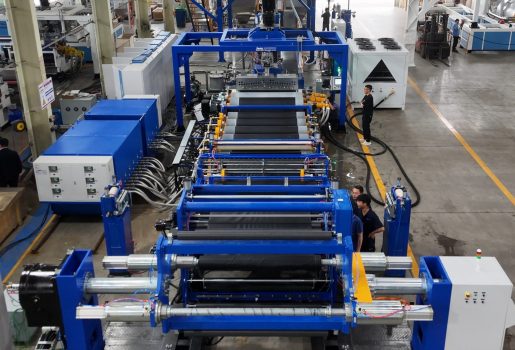
JWELL Machinery’s intelligent TPO sheet production line with multi-component auto-weighing and fully automatic winding delivers high-performance sheets for building waterproofing and automotive interiors.
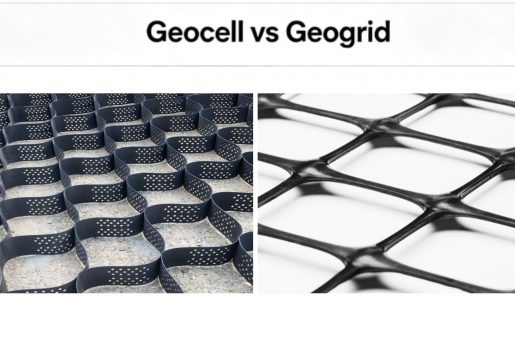
In-depth comparison of geocell and geogrid production equipment, covering manufacturing processes, engineering applications and selection guidance for geosynthetic manufacturers.